


Overview of How To Stop Weeds Growing Between Block Paving
Stopping weeds from growing between block paving and cobble setts is important because they can damage the surface and make the area look messy. These weeds can cause the blocks to shift or become uneven, which may lead to costly repairs over time. Plus, if weeds are left unchecked, they can quickly spread and make maintenance more difficult. Keeping weeds under control helps preserve the appearance and stability of your paving.
To stop weeds from growing between block paving, start by removing existing weeds and cleaning the joints of dirt and debris. Apply a weed suppressant or natural solution, then refill the gaps with fresh sand. Consider sealing the paving to prevent moisture and weed growth. Regular maintenance, such as sweeping or pressure washing, will help keep the area weed-free.

Table of Contents
Preparing your Paving Slabs for Weed Prevention
To stop weeds from growing between block paving, start by removing any existing weeds. You can pull them out by hand or use a weeding tool to ensure you get as much of the root system as possible. Once the weeds are gone, clean the joints thoroughly by removing dirt, debris, and any leftover plant matter. This can be done with a stiff brush, a pressure washer, or even a vacuum cleaner for a deeper clean. Clearing out the gaps will help prevent new weeds from taking root and ensure that the surface is properly prepared for any further treatments.
Removing overgrown weeds from cracks
- To remove overgrown weeds from cracks, pull them out by hand or with a weeding tool, ensuring you remove the roots to prevent regrowth.
- For stubborn weeds, use a weed killer or natural solution like vinegar.
- Clear any remaining debris with a brush or vacuum, then refill the cracks with fresh sand or a weed suppressant to stop new weeds from growing.
- Regular maintenance will help keep the area clean and weed-free.

Removing overgrown weeds from cracks
Cleaning the gaps left over from removing weeds
After removing the weeds, clean out the gaps by brushing away dirt and debris. You can use a pressure washer or vacuum for a more thorough clean if needed. For stubborn bits of dirt or roots, a weeding tool can help. Once the gaps are clean, sweep everything up and refill with fresh sand or a weed suppressant to keep weeds from coming back.
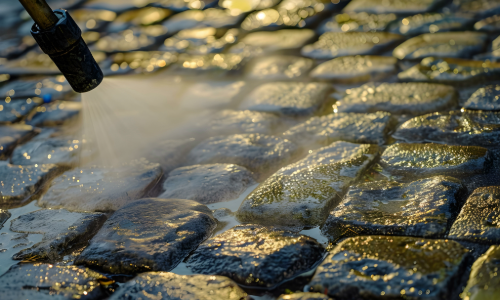
Cleaning the gaps left over from removing weeds
Traditional methods to prevent weed growth
There are a variety of methods to prevent weed growth, in the below text we will explore the more traditional cost effective methods, used for many years.
Manual Weeding and Temporary Fixes
Manual weeding involves pulling out weeds by hand or with a weeding tool, making sure to remove the roots to prevent regrowth. While effective, this method requires regular maintenance, especially for persistent weeds. Temporary fixes like applying natural weed killers (like vinegar) or pouring boiling water over weeds can offer quick results, but they don’t prevent new weeds from growing. Filling the gaps with sand or gravel after weeding can also help suppress future growth. However, these solutions need ongoing attention to remain effective.
Applying Boiling Water
Applying Vinegar
Vinegar is a natural weed killer that works by drawing moisture out of weeds, causing them to dry up and die. To use it, pour undiluted white vinegar directly onto the weeds or spray it on the leaves and stems. It’s most effective on small, young weeds and should be used carefully around other plants, as it can harm them. Vinegar doesn’t kill the roots, so weeds may regrow unless the roots are removed. While it’s a quick, eco-friendly solution, regular application is needed for ongoing control.
Applying Baking Soda
Baking soda is a natural weed killer that works by dehydrating weeds. To use it, simply sprinkle baking soda onto the weeds or into cracks where they grow. It’s most effective on small, young weeds and is a good option for cracks between pavers. However, it can harm nearby plants, so apply carefully. Baking soda may not kill the roots, so weeds could regrow, requiring repeated applications or manual weeding. While non-toxic, regular use is needed for ongoing control.
Advanced Solutions for Lasting Results
Conclusion
FAQs (Frequently Asked Questions)
Is it necessary to seal block paving?
Yes, sealing block paving is a great idea because it helps protect the surface from the weather and weed growth, and extends its life. The sealant prevents weed growth, water damage, cracking, and stains from things like oil or dirt. It also makes cleaning much easier by stopping debris from getting into the joints. Overall, sealing keeps your paving looking good and makes maintenance a lot simpler in the long run.
Why do you need sand on block paving?
Sand forms the foundation on which the sealant sits. Without this base, the sealing process wouldn’t be effective. The sand helps manage any moisture buildup beneath the surface, preventing a reaction with the sealant. It absorbs excess water and prevents direct contact between the sealant and the paving blocks.

Whether your patio is in need of a comprehensive clean or you're just aiming to refresh your outdoor space, this Read more

In all garden designs, steps serve more than just a practical purpose; they enhance the visual appeal of your outdoor Read more

Patio slab painting is becoming increasingly popular, with people painting paving slabs for various reasons, in particular, painting patio concrete Read more

Garden stepping stones are used to create safe pathways, typically from one area of your garden to another. The more Read more

