


Overview of How To Clean Patio Slabs
We often get asked ‘How To Clean Paving Slabs‘ as theres numerous methods and techniques.
Cleaning the patio slabs helps to enhance the appearance of your outdoor patio space. They are typically installed in high-traffic outdoor areas, therefore, these slabs can collect dirt and debris as time goes by. After a year or two, they can become dirty and unattractive, and their surfaces can turn slippery, creating safety concerns for visitors.
Whether your patio is large and in need of a comprehensive clean or you’re just aiming to refresh your outdoor space, this article will provide you with the best methods for cleaning patio slabs.

Table of Contents
Essential Tools & Resources
Its important to understand how to clean garden slabs. When cleaning garden slabs using soapy water, you’ll need to gather some soap; a liquid or powdered soap is ideal. If you prefer bleach for a deeper clean, a quick trip to the local shops will get you a bottle at a very cost effective price, usually a few quid, plus a watering can for application. And for a more thorough clean with a pressure washer tool, ensure you have both a suitable pressure washer (some require access to electricity) and a suitable detergent ready to go.
You should begin by collecting the fundamental tools:
- Plastic Bucket
- A robust hard-bristled brush (preferably a larger size)
- Access to warm running water
Best Time To Clean Your Patio
Its recommended to begin cleaning paving slabs during the Spring season.
The cooler, wetter months of Autumn and Winter often lead to a buildup of grime due to the higher humidity and less sunlight present during these seasons. Spring is the prime time to take on the cleaning of your outdoor area, including your patio slabs. The drier air and more sunlight thats common during Spring, make it easier to scrub away algae and green deposits that build up. As a result, you can look forward to enjoying a clean outdoor patio space throughout the summer.
Cleaning Methods For Paving Slabs
The Soapy Water Method
For anyone who opts for a chemical-free approach to cleaning their patio, the soapy water technique offers a straightforward solution suitable for almost any paving material.
Preparation:
Start by clearing away any patio furniture and sweeping off any loose debris from the patio. This step is crucial as it allows the cleaning solution to directly tackle the tough dirt.
Mixing the Solution:
In a sizable bucket, mix warm tap water with a small squirt of dish soap. This will create a soapy mixture that should be sufficient to cover the entire patio.
Scrubbing Routine:
Take a stiff broom and scrub the paving slabs in a diagonal motion. This technique of splashing and scrubbing will effectively lift dirt and debris from the patio surface.
Rinsing:
After scrubbing, rinse the area thoroughly with clean water using a garden hose or watering can. Make sure there is no standing water left on the slabs.

How to Clean Patio Slabs? The Soapy Water Method
The White Vinegar & Water Method
White vinegar serves as a powerful and eco-friendly cleaning solution, making it an excellent choice for refreshing your patio slabs.
Preparing the Mixture:
In a bucket, ensure to mix equal amounts of white vinegar and warm water. The amount of solution you create will depend on the coverage area required. If your patio is particularly dirty (hasn’t been cleaned for years) or has tough stains, consider increasing the vinegar ratio or directly applying a more concentrated vinegar solution to the problem areas.
Applying the Mixture:
Pour the vinegar-water blend over the patio slabs, making sure to cover the surface evenly. Its recommended to take it slow, covering only a small area at a time, allowing for a more manageable cleaning process.
Scrubbing Action:
Similar to using the soapy water method, scrub the surface diagonally with a stiff brush. The vinegar’s natural acidity is effective in breaking down stubborn discoloration and stains.
Final Rinse:
Use cold water to wash away the now dirty solution, ensuring that no residue is left on the slabs to avoid any potential damage.

How to Clean Patio Slabs? The Vinegar & Water Method
The Pressure Washer Method
For those challenging cleaning tasks, a pressure washer stands out as the ultimate solution for patio maintenance. It’s particularly powerful for expansive patios (large cleaning projects) and areas that see a lot of foot traffic where grime builds up.
Safety First:
Before you plug in your pressure washer, remember to wear protective clothing. The jet stream can be quite powerful and potentially dangerous.
Get Prepared:
Remove any patio furniture and brush away any loose debris or jointing material. Ensure there’s a drainage point to prevent water from pooling, which can freeze in the winter months, creating cracks in the paved area.
Pressure Washing:
Fill the detergent chamber of your pressure washer with an appropriate detergent. Start cleaning from one end of the patio, moving systematically for an even finish.
Rinsing and Sealing:
After washing, rinse the patio with clean water. For added protection, think about applying a patio sealant to keep it looking great – professional grade sealant options are listed below.
TOP TIP:
If you dont have access to an electric plug outlet, portable pressure washers that require no electric to operate, are available to purchase from many DIY stores.

How to Clean Patio Slabs? The Pressure Washer Method
The Bleach Method
Bleach serves as a powerful and budget-friendly cleaning solution, ideal when removing dirt, black spots, moss, and algae from patio slabs. It’s suitable for a range of paving materials, including natural stone like granite, limestone and sandstone.
However, it does come with some additional risks over other methods; you’ll need to ensure that no bleach drips onto nearby plants, this can damage the planted area. Its important to keep in mind that bleach should not be used on synthetic (man-made) concrete slabs; it’s best reserved for natural stone surfaces, as it can cause fading on man-made materials. Finally, don’t forget to wear protective gear to protect your skin from any bleach splashes which can potentially cause possible burns and skin rashes.
Clear the Patio Area:
Start by removing all obstacles from the patio to establish a clear workspace without any hindrances.
Sweep the Surface:
Grab a stiff brush and sweep away any loose grime, dirt and debris. This will reveal the patio slab, making it ready for an effective bleach treatment.
Prioritise Safety:
Its important to ensure you are wearing protective gloves to prevent damage to the skin, further, shield any delicate plants nearby from potential bleach splashes.
Mix the Bleach Solution:
In a bucket, combine one part bleach with five parts warm water (5:1 Ratio). For more stubborn stains, consider increasing the bleach ratio and adding a bit of soapy water.
Conduct a Test:
Before applying the solution to the entire patio, test it on a small, hidden area to ensure it won’t cause discoloration.
Moisten the Slabs:
Lightly spray the patio with a garden hose or watering can to prepare the surface for the bleach, promoting even application and better absorption.
Apply the Bleach:
Spread the bleach solution evenly over the patio, paying special attention to stained areas, algae, and moss.
Let It Work:
Allow the solution to sit for a few minutes, ensuring it doesn’t dry out completely, to effectively break down dirt and stains.
Scrub the Surface:
Use a stiff brush to scrub the slabs, concentrating on the grout lines and edges. For particularly tough stains, you may need to reapply the bleach solution and scrub again.
Rinse Thoroughly:
Finally, rinse the patio with clean water, making sure all bleach residue is washed away.

How to Clean Patio Slabs? The Bleach Method
Maintaining Your Patio Area
Its recommended to regularly clean your patio slabs, preventing the accumulation of grime which will require heavy duty cleaning methods to remove. It’s important to understand the importance of regular patio sealing – sealing products help to prevent the accumulation of mould and algae growth overtime. Sealers can be applied regularly, especially after the installation of a new outdoor paving area to help maintain its clean appearance.
Sealers are created to suit specific materials, like our professional grade EASYSeal Natural Stone Sealer & Protector suitable for concrete and all natural stone products, including sandstone, granite and limestone.
For porcelain sealing requirements, we recommend our Nexus Pre-Grout Stone & Porcelain Paving Sealer, suitable for both natural stone and porcelain paving slabs.
For black limestone paving, we offer a specific Back To Black Limestone Sealer, designed to bring your faded limestone paving back to its original colour.
Routine Sweeping:
Regularly clear away dirt, leaves, and other debris from your patio using a stiff brush. This not only keeps your patio area looking neat but also helps to stop moss and weeds from taking root between slabs, creating issues like prolonged cracking.
Prompt Stain Treatment:
If you spill something on your patio, make sure to clean it up right away. This will help you avoid the hassle of dealing with stubborn stains later on.
Resealing Project:
Consider applying a new sealant to your patio slabs every year or two, and especially after new paving has been installed. A good sealant protects against stains and can enhance the durability of your slabs, protecting against external factors like bad weather conditions and mould/algae growth. Sealers are created to suit specific materials like porcelain, natural stone and concrete.
TOP TIP:
Opting for more eco-friendly cleaning products. Always choose environmentally safe or non-chemical cleaning products for your patio when possible. These are gentler on your paving stones and better for the environment.

How to Clean Patio Slabs? Maintaining Your Patio Area
Seasonal Maintenance Tips
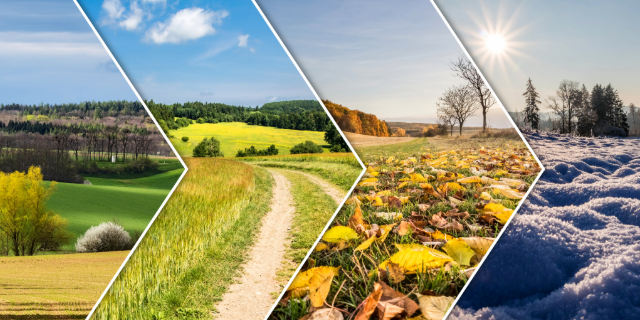
Its important to understand when to clean your paving slabs and how frequently this should be done. The answer varies based on a few key factors, such as your home’s location and the current season. To ensure your patio remains in top shape, it’s wise to align your cleaning schedule with the changing weather conditions.
Spring:
The cooler, wetter months of Autumn and Winter often lead to a buildup of grime due to the higher humidity and less sunlight present during these seasons. Therefore, Spring is the most recommended season to deep clean your paving slabs following the previous winter season. Its common to find a layer of organic growth along with dirt and debris that needs to be cleared away. Additionally, this is the perfect opportunity to inspect the joints between your paving slabs, as they may require some re-pointing.
Summer:
As the summer heat sets in, you’ll probably find yourself spending more time on your patio. To prevent any potential stains, make sure to clean up spills as soon as they happen. This season is ideal for giving your patio a good wash, as the sunny weather will help it dry completely.
Autumn:
During the autumn season, leaves that drop from shrubs, plants, and surrounding trees can leave unsightly stains on your patio if they’re not cleared away promptly. To keep your outdoor space looking its best, make it a habit to sweep regularly.
Winter:
In winter, as the colder temperatures approach and ice starts forming, many homeowners turn to de-icing salts to allow better access to the property. However, these salts can results in paving discoloration, its recommended to avoid using them often, especially on softer stone or especially fragile paving.
How to Clean Patio Slabs? Seasonal Maintenance Tips
Additional Related Articles
How To Lay Patio Slabs
How To Grout Paving Slabs
Top 10 Patio Designs & Ideas
FAQs (Frequently Asked Questions)
Does bicarbonate of soda clean slabs?
The quick answer is yes, but using vinegar is the preferred alternative to bicarbonate soda. To clean with bicarbonate soda, dissolve 1 to 5 tablespoons in 10 liters of water, tailoring the amount to how dirty the slabs are and the coverage area required. Let this solution soak for 15 to 20 minutes. Afterward, use a scrubber to clean the patio and rinse it thoroughly with clean water.
What is the best way to clean patio slabs?
Theres no one best solution to cleaning paving slabs, its dependent on various factors mentioned in the article above. For example; the materials used and the size of the paved area requiring cleaning. It further depends on how dirty the patio area is and how long its been left without any maintenance.
How to get black marks off patio slabs?
There are various options to removing black marks on patio slabs – these black marks are known as staining. To remove the staining, its recommended to use a higher ratio solution to water and apply directly to the stained area – leave it to soak in, then scrub with a stiff brush and rinse off with water.

In all garden designs, steps serve more than just a practical purpose; they enhance the visual appeal of your outdoor Read more

Patio slab painting is becoming increasingly popular, with people painting paving slabs for various reasons, in particular, painting patio concrete Read more

Stopping weeds from growing between block paving is important because they can damage the surface and make the area look Read more

Garden stepping stones are used to create safe pathways, typically from one area of your garden to another. The more Read more

