


Explore 5 Options for Block Paving Patterns
This guide to block paving patterns and designs showcases five paving pattern options. For many homeowners, block paving patterns may not be viewed as a visually appealing aspect of their outdoor space. The main function of block paving, also known as driveway paving blocks is to provide durability for heavy traffic areas like paths, and driveways.
Driveway block paving also encompasses cobble setts, these cobblestones are in the same category as block paving as they can be used to complete the same design projects, utilising the same recommended patterns. The irregular shapes and textures of cobble setts bring a sense of history and tradition to your outdoor space, enhancing the overall aesthetic.
Explore our range of block paving and cobble setts, we have options to suit all design requirements.

Table of Contents
Types of Block Paving Patterns
Block paving patterns, offer a versatile and visually appealing option for driveways, pathways, and patios. From classic herringbone to contemporary basketweave designs, there are endless possibilities to enhance the appeal of your outdoor space, each offering its own unique visual impact and functional benefits.
In this guide, we’ll explore various block paving patterns and laying techniques to help you make an informed decision for your next landscaping project. Your choice of block paving patterns, all depends on personal preferences and the specific dimensions of the block paved area.
Find a block paving pattern thats right for you, from the list below!

Option 1: Herringbone Patterns
A popular option for many homeowners is Herringbone paving, a classic pattern characterised by its distinctive V-shaped arrangement. The herringbone block paving’s interlocking design guarantees that the pattern remains aligned for many years after placement, even when subjected to heavy traffic loads like vehicles. This makes it the perfect choice driveway paving.
This pattern not only adds texture and depth to outdoor spaces but also offers additional durability and stability compared with other laying patterns, making it the perfect choice for driveways. There are two main variations of herringbone paving, 90-degree and 45 degree, both offering the same level of durability but laid differently for distinctive patterns.
What is 90-Degree Herringbone Paving?
The 90-degree herringbone pattern is the more popular option of the two, providing a simpler laying technique to follow. This 90-degree pattern sets herringbone block paving at a perpendicular angle, exactly 90-degrees to the base line. Ensure an established right angled corner and build this zigzag pattern out from here, against an edge or makeshift edge. Now, carefully lay each block one at a time and checking for any errors.
Laying block paving in this way creates the zigzag effect that you see with this style of herringbone. This 90-degree pattern is commonly used for driveways and high-traffic areas due to its ability to withstand heavy loads and resist shifting, whilst also helping to create a visually appealing space.
There’s a range of driveway paving options to explore which can become frustrating, from block paving to cobble setts. If you are unsure which block paving to select for the 90-degree herringbone pattern, we recommend our dedicated herringbone cobble sett range. A popular option is our Yellow Limestone Herringbone 200×50 Tumbled Cobble Setts which promotes a warm, inviting hue, while the tumbled finish adds a touch of rustic charm.

90-Degree Herringbone Block Paving Pattern
What is 45-Degree Herringbone Paving?
The 45-degree herringbone pattern is very similar to the 90-degree laying option in terms of durability and practicality. However, a 45-degree herringbone pattern ensures its base line is 45 degrees, which results in a more diagonal laying pattern, instead of zigzags. Theres no practical benefit when selecting either laying option, its a personal choice based on your design preferences.
As summary, it features blocks laid at a 45-degree angle, resulting in a diagonal orientation. This pattern is visually striking and adds a sense of movement to outdoor spaces – often used for pathways, patios, and smaller areas where aesthetics is paramount.
We recommend Bradstone Concrete 200×100 Driveway Block Paving, available in a variety of colours to suit all design requirements.

45-Degree Herringbone Block Paving Pattern
Option 2 & 3: Stretcher & Stack Bond Patterns
Stretcher and stack bond patterns are very similar. These are simple yet effective designs that create clean lines and a uniform appearance; this is the more traditional way of laying block paving.
Block paving patterns like stretcher and stack bond resemble the layout of brick-laid walls, offering a simple and traditional aesthetic. With the use of whole bricks and no need to cut bricks to size, precise calculations can be made for the number of bricks required to complete the project. It’s repetitive patterns make it much easier to install, allowing for a quicker and more cost effective installation process.
What is Stretcher Bond Paving?
For stretcher bond patterns, sometimes known as ‘half bond’ or ‘running bond’ patterns, paving blocks are laid in a linear fashion. This resembles traditional brickwork; a popular option for many homeowners looking for a more traditional appearance.
The stretcher bond pattern is a simple design in which blocks are arranged in a linear fashion, with each row offset by half a block. The benefit is theres no need to cut bricks as precise calculations can be made for the number of bricks required to complete the project, making it ideal for at home DIY paving installations. This pattern is commonly employed in narrow spaces such as pathways to create a sense of additional width.
TOP TIP: This pattern doesn’t have the same durability as the herringbone block paving pattern, typically used for driveways.
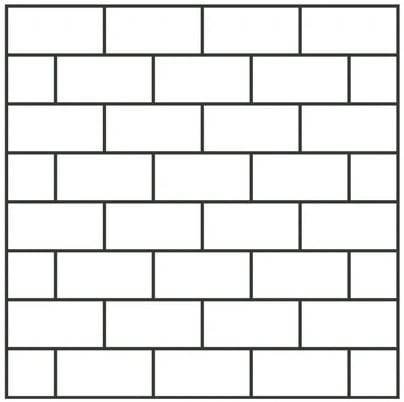
Stretcher Bond Block Paving Pattern
What is Stack Bond Paving?
Alternatively, for stack bond paving, this involves stacking blocks directly on top of each other in a vertical alignment. This helps to achieve a more modern, uniform style. The laying process at the beginning is very similar to stretcher bond, with the exception that there is no displacement/offset between the brick rows. This results in the sleek lines that define numerous contemporary, modern spaces.
These patterns are ideal for contemporary settings and can be combined with contrasting colours for added visual interest.
TOP TIP: This pattern does not offer the same level of durability as the herringbone block paving pattern, typically used for driveways.
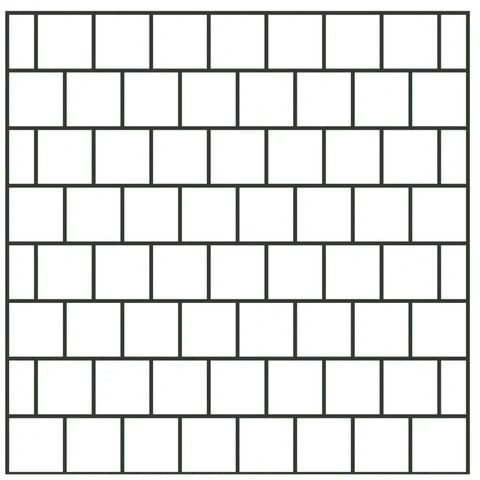
Stack Bond Block Paving Pattern
Option 4: Basketweave Patterns
Basket Weave is a classic pattern and one of our favorites. If you favor more bold and unique designs for your outdoor space, this is the perfect pattern for you.
The pattern is simple, with two horizontally stacked paving blocks next to two vertically laid paving blocks; then stack the same design starting with the vertically laid paving block. This creates a perpendicular row of block pavers alternating pattern, resembling a woven basket, hence the pattern name. The result is a stylish, intricate pattern that adds visual interest to any outdoor space. This pattern can be completed quickly and, in some cases, laid without cutting a single block.
TOP TIP: This basketweave pattern allows for more unique designs to come to life. Experiment with different colours/textures to find the mix that suits your design requirements. Any additional design effort alongside the laying pattern, is well worth it as one will compliment the other.

Basketweave Block Paving Pattern
Option 5: Random Course Pattern
As the name suggests, these random patterns enable you to add a more personal touch. By selecting the appropriate block paving blocks, one can achieve various patterns to suit all design requirements. This random layout of paving blocks, means that the block wont always follow a specific pattern; this is intended to add a more unique feel and visual impact to the block paved area.
TOP TIP 1: Dont always try to follow the ‘random’ pattern, simply create a rough design and go with the flow.
TOP TIP 2: Avoid cross joints which can draw unwanted eyes to a specific point in the design, making it look odd.

Random Course Block Paving Pattern
In conclusion, paving block patterns offer a versatile and durable solution for enhancing outdoor spaces. Whether you prefer classic herringbone patterns for block paving or a more contemporary stack bond pattern, there’s a style to suit everyone. With the right combination of patterns and colours, you can create a stunning landscape, enhancing the beauty and functionality of your home.
Additional Information
Permeable vs Non Permeable Block Paving
As you’ve noticed, there’s a variety of block paving pattern options and designs. It’s worth now exploring permeable vs non-permeable block paving and the benefits for each. Some block paving materials are designed to allow for water to gradually pass through the block, known as permeable paving and others won’t allow for the movement of water, known as non-permeable paving.
This is not a styling choice but instead an important aspect to consider when selecting the right block paving for you. We recommend non-permeable paving for its enhanced durability, especially for use on driveways with heavy traffic loads, its less expensive for our customers as well.
With traditional, non-permeable blocks, the key advantage lies in the broad range options available, whether you prefer concrete, natural stone, or other materials, block paving provides a wide range of choices. Further options include rough cut, smooth, and more, allowing you to customise your space depending on your personal design preferences.
NOTE: All our paving products, including block paving are non-permeable.
The Pros & Cons of Permeable Paving?
Pros:
- Environmental: Minimizes environmental impact by reducing water run off, preventing flooding and allowing water to seep into the ground.
- Reduced Heat: Their designed to absorb and manage water, which keeps the blocks surface cool during summer days.
- Reduced Erosion: These blocks prevent the erosion that often occurs by allowing water to pass through.
Cons:
- Maintenance: Additional costs required for regular maintenance. Debris and sediment can fill the gaps, requiring seasonal cleaning to maintain permeability.
- Increased Cost: We dont stock permeable block paving for our customers due to the increased costs, additional layers required for proper drainage and regular sealing is guaranteed.
- Low Weight Capacity: Permeable paving might not be suitable for heavier vehicles or industrial applications due to reduced durability.

Permeable Block Paving
The Pros & Cons of Non-Permeable Paving?
Pros:
- Enhanced Durability: Known to be highly durable and can handle high-traffic and heavy loads, ideal for residential areas and driveways.
- Low Maintenance: Unlike the alternative, this paving requires less maintenance and are less prone to damage from underground root growth.
- Design Variations: A bonus is that non permeable paving is available in a wide range of colours, patterns and textures, offering flexibility in the design.
Cons:
- Reduced Water Runoff: Due to reduced water runoff, if not laid correctly on a slight slope, can lead to potential small-scale flooding.
- Heat Retention: They can retain more heat, making hot weather all the more unbearable during summer months.
- Environmental Impact: As theres no drainage route, water can puddle for long periods which can become breeding places for insects such as mosquitoes.
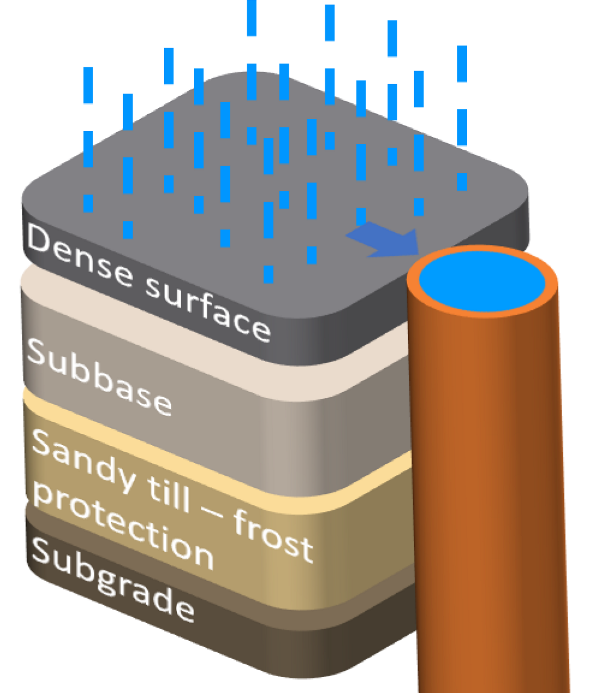
Non Permeable Block Paving
Tegula Paving
What is Tegula Paving?
- Our Tegula Block Paving range showcases a more vintage design, taking on a more traditional appearance.
- With a tumbled effect, creating the antique look, these stones strike a perfect balance between traditional charm and modern aesthetics.
- Available in a variety of vibrant and durable colours, these richly textured stones can enhance the style and character of any property, whether modern or traditional.
View our full range of Tegula Block Paving

Additional Related Articles
How To Lay Block Paving?
FAQs (Frequently Asked Questions)
What is the most expensive type of block paving?
The most expensive block paving is permeable natural stone due the benefits of permeable paving. Non permeable stone is also expensive due to the increased durability and longevity, especially when utilised for driveways. Natural stone is available in a variety of colour options, textures and sizes making it an attractive choice for specific design requirements.
What is the cheapest type of block paving?
Its commonly known that the cheapest form of paving, especially block paving is concrete. This is a more cost effective option but without the enhanced durability of natural stone. It is durable to a certain degree and is easy to maintain, making it a popular choice for many homeowners.
Can I repair my damaged block paving?
Yes, once a block has started to become loose, cracked or stained overtime, it can be individually replaced. Its advised to avoid mismatching colours. You may decide you want to change a section of the block paving; this is also possible. If you wanted to change the size or overall design of the paved area, we recommend contacting a professional landscaper.
How does weather effect block paving?
The purpose of block paving is to withstand different weather conditions, such as rain, snow, and frost. Nonetheless, extreme weather conditions, especially here in the UK, can lead to damaged block paving. For instance, heavy rain can wash away the sand between the blocks, causing uneven blocks and an unstable surface. It is essential to regularly maintain and seal block paving to prevent long term damage.

Patio slab painting is becoming increasingly popular, with people painting paving slabs for various reasons, in particular, painting patio concrete Read more

This guide is packed with budget garden patio ideas that are simple, stylish and easy to achieve. Whether you're prepping Read more

In this guide, we'll explore popular driveway ideas and design concepts, key considerations for layout, material options, low-maintenance options, and Read more

Whether you're aiming towards a more tranquil retreat or a more vibrant social hub for friends and family; the key Read more

