


Overview of How To Seal Block Paving
In this guide, we’ll provide a detailed overview of how to seal block paving.
Find out how to clean, prepare, and seal your block paving driveway, along with some helpful tips for getting the most out of your sealing solutions.
Block paving and cobble setts are popular choices for driveways, patios, and pathways, enhancing both the appearance and functionality of outdoor spaces. These consist of individual blocks or bricks arranged in a specific pattern on a layer of sand or grit. The blocks are securely held in place by the surrounding blocks within a mortar-set perimeter. Compared to other paving options, block paving offers numerous benefits, including outstanding durability, versatility, and an attractive aesthetic.
In order to maintain the durability and appearance of your block paved area, its recommended to apply a stone specific sealing product, adding a protective layer to block paving. This sealing process is especially important for driveway block paving that holds heavy vehicle traffic.

Table of Contents
The benefits of Sealing Block Paving
There are numerous benefits of sealing block paving. Sealants are a great way to protect your patios and driveways, ensuring they last longer by adding a protective layer against weathering, dirt build up, and weeds growing which can result in cracking.
Overall, sealing your block paving with a top-quality sealant is an excellent way to protect it and maintain its appearance. The sealant forms a protective layer that prevents weeds from growing by blocking moisture and air from getting into the gaps. It also shields the paving from water damage, stains, and general wear, which can lead to cracks or shifting. Additionally, sealed surfaces are easier to clean since dirt and debris are less likely to settle in the cracks. In the long run, this results in less upkeep and a cleaner, more durable block paved area.

Sealing: Before & After
Essential Tools & Materials
For an effective and efficient sealing process, ensure you have the correct tools and materials required for the job at hand.
- Block Paving Sealant
- Paint roller and roller tray
- Pressure washer
- Weed remover
- Broom
- Jointing compound (such as kiln-dried sand)
TOP TIP: Choose a sealant thats specific to your block paving material for professional results.
Using a sealant thats not compatible with your stone type can damage the block paving and cause discoloration.
Preparing Block Paving for Sealing
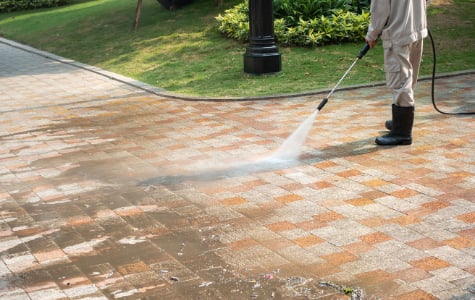
This stage is crucial before you proceed with the sealing process, it ensures the block paved area is clean and ready for sealing. Its recommended to use a broom to remove any loose dirt and debris, or pressure washer to remove any stubborn dirt thats stuck to the paving. Further, its important to remove any weeds that are present before sealing.
TOP TIP: Ensure the block paved area is dry before proceeding.
Using a sealant on a wet area will dilute the sealing solution, resulting in less effective results.
How to choose the correct Block Paving Sealer
There are a variety of sealing solutions available on the market, each offering unique properties and benefits. However, the most important aspect when choosing a block paving sealer is the stone type, as sealing solutions are designed for specific materials.
Concrete Sealing
As the majority of block paving is concrete, we recommend using our high quality EASYSeal Natural Stone Sealer & Protector, ideal for use on natural stone and concrete materials. It’s virtually invisible once applied, and it allows the concrete/stone to “breathe” whilst protecting paving from all manner of substances.

Sandstone Sealing
As for sandstone block paving, we recommend the more specific EASYSeal Sandstone Sealer & Enhancer, designed specifically for use on sandstone paving. This sealer is a professional-grade, water-based, non-solvent solution designed to enrich, boost, and enhance the natural colour of your sandstone paving, whilst adding a protective layer against dirt build up, weed growth and more.

Limestone Sealing
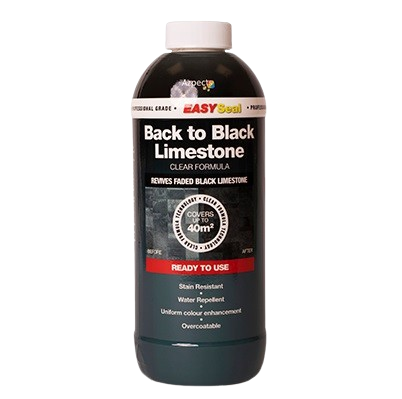
For limestone sealing, we again recommend our high quality EASYSeal Natural Stone Sealer & Protector. However, for black limestone thats prone to fading overtime, we supply a specific Back to Black Limestone Sealer, which adds a protective layer to the limestone whilst restoring its rich black colouring.
Porcelain Sealing
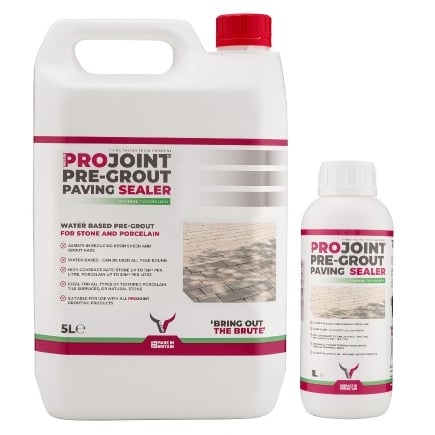
Porcelain is becoming more popular in modern driveway designs, due to its increased durability and design versatility. For porcelain sealing, we recommend our Nexus Stone & Porcelain Paving Sealer, designed specifically for porcelain paving. Its an invisible, water-based treatment for all types of porcelain, natural stone, or concrete paving.
TOP TIP: Avoid using a sealing product thats not specifically designed for your stone type.
Using a sealant thats not compatible with your stone type can damage the block paving and cause discoloration.
Step-by-Step process for Sealing Block Paving
In order to start sealing block paving, follow this step-by-step guide for professional sealing techniques, ensuring the paving remains clean, durable and colour rich for years to come.
Step 1: Gather Tools & Materials
To ensure a smooth and successful sealing process, make sure you have all the right tools and materials needed for the task.
- Block Paving Sealant
- Paint roller and roller tray
- Pressure washer
- Weed remover
- Broom
- Patio/Paving Scraper
- Jointing compound (such as kiln-dried sand)
Step 2: Prepare & Clean Your Driveway
This step is essential before starting driveway sealing, as it ensures the block paved area is clean and properly prepared.
- It’s recommended to use a broom to sweep away loose dirt and debris.
- Its recommended to use a pressure washer to tackle any stubborn dirt stuck to the surface.
- Additionally, its important to remove any weeds before applying the sealant.
Prepare & Clean Your Driveway
Step 3: Rejoint the Block Paving
This is another essential step before starting the sealing process, as it ensures the block paved area is dry and ready for new jointing and sealing.
- To start the rejointing process, check the block paving is dry by scraping/removing the sand between the blocks to a depth of 5-10mm, using a specific patio scraper or similar tool.
- Now determine if the sand is dry. If the sand is dry, the blocks are now ready for rejointing and sealing.
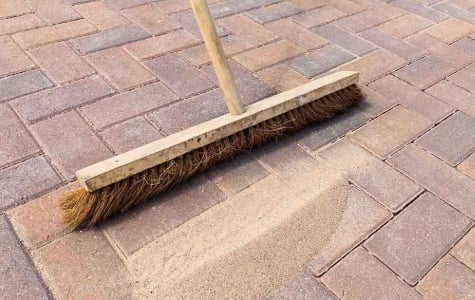
- Use a sanding broom to brush new/additional kiln-dried sand into all the joints, ensuring no extra sand is left on the surface or beveled edges of the blocks.
- Make sure the temperature outside is between 12-23°C, and check that no rain is forecast for at least 8 hours.
Rejoint the Block Paving
Step 4: Apply the Sealing Solution
Its important to read the manufactures instructions for all sealing solutions; for instructions on drying times and application methods.
- To start the sealing process, we recommend applying a coating to a small area of block paving; this is to test the sealing solution, ensuring its achieving the correct finish before proceeding with a larger paved area.
- It’s vital to apply the sealant evenly across the block paved area, using a paint roller or sprayer to assist with the even spreading. Applying any sealing solution without even spreading can result in additional costs and ineffective results.
- Allow the sealant to dry (approx. 3-4 hours) before proceeding to clear the area.

Apply the Sealing Solution
Step 5: Drying Time & Clean Up – Once Sealed
- Once applied, allow the sealant to dry (approx. 3-4 hours) (check manufactures instructions) before proceeding to clear the area.
- Avoid walking or driving on the block paved area until the sealing solution has fully dried.
- Remove any tools and left over materials from the area.
Mistakes to avoid when Sealing Block Paving
Sealing in Wet Conditions
You should avoid sealing the block paved area when it’s wet or damp, as this can interfere with the sealant’s effectiveness and cause uneven results. It’s important to ensure the block paved surface is completely dry before applying the sealer. Refer to step 3 above, to determine how to check if the block paving is dry enough for sealing.
Using the Wrong Sealer
Its important to understand that not all sealers are suitable for every type of paving. You should make sure you choose the right sealant for the material and desired finish to ensure the best protection and appearance. For additional information regarding sealer types, please refer to the section; How to choose the correct Block Paving Sealer.
Ignoring the Drying Time
You should always consider the drying time of a sealant before you start walking or driving on the recently sealed paved area. If you rush this process, this can lead to sealant smudging or damage to the sealants protective layer. Refer to sealant specifications regarding drying times as each solution, based on stone type, can have different times.
Additional Related Articles
How To Lay Block Paving
How To Stop Weeds Growing Between Block Paving
A Guide To Block Paving Patterns
FAQs (Frequently Asked Questions)
Should I seal block paving?
The short answer is, YES. To preserve the durability and appearance of your block-paved area, it’s recommended to use a stone-specific sealing product that adds a protective layer to the paving. This sealing process is particularly important for driveway block paving, which endures heavy vehicle traffic.
Is there a downside to sealing pavers?
Sealing pavers (block paving) helps protect them and keeps them looking good, but it does come with some downsides. You’ll need to reapply the sealant over time, and some sealers can change the appearance or leave streaks if not applied properly. Certain sealers can also trap moisture or make the surface slippery, so it’s important to maintain them regularly.
Can you seal block paving to stop weeds?
Yes, sealing block paving can help prevent weed growth by blocking moisture and air from the gaps, preventing weeds from taking root. However, it won’t completely stop weeds, especially if they’re already present, so regular maintenance is still needed.
Can I seal my pavers myself?
Yes, sealing your block paving is a good DIY task. With the right tools, materials, and some careful preparation, it’s a straightforward process. You must ensure the surface is clean, apply the sealer evenly, and follow the manufacturer’s instructions for the best results.

Whether your patio is in need of a comprehensive clean or you're just aiming to refresh your outdoor space, this Read more

In all garden designs, steps serve more than just a practical purpose; they enhance the visual appeal of your outdoor Read more

Patio slab painting is becoming increasingly popular, with people painting paving slabs for various reasons, in particular, painting patio concrete Read more

Stopping weeds from growing between block paving is important because they can damage the surface and make the area look Read more

