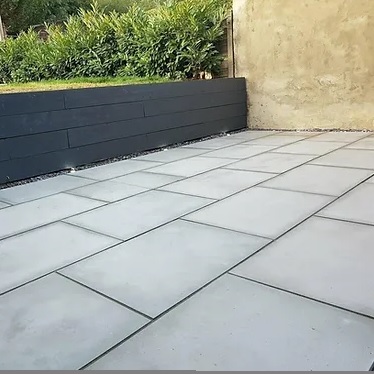
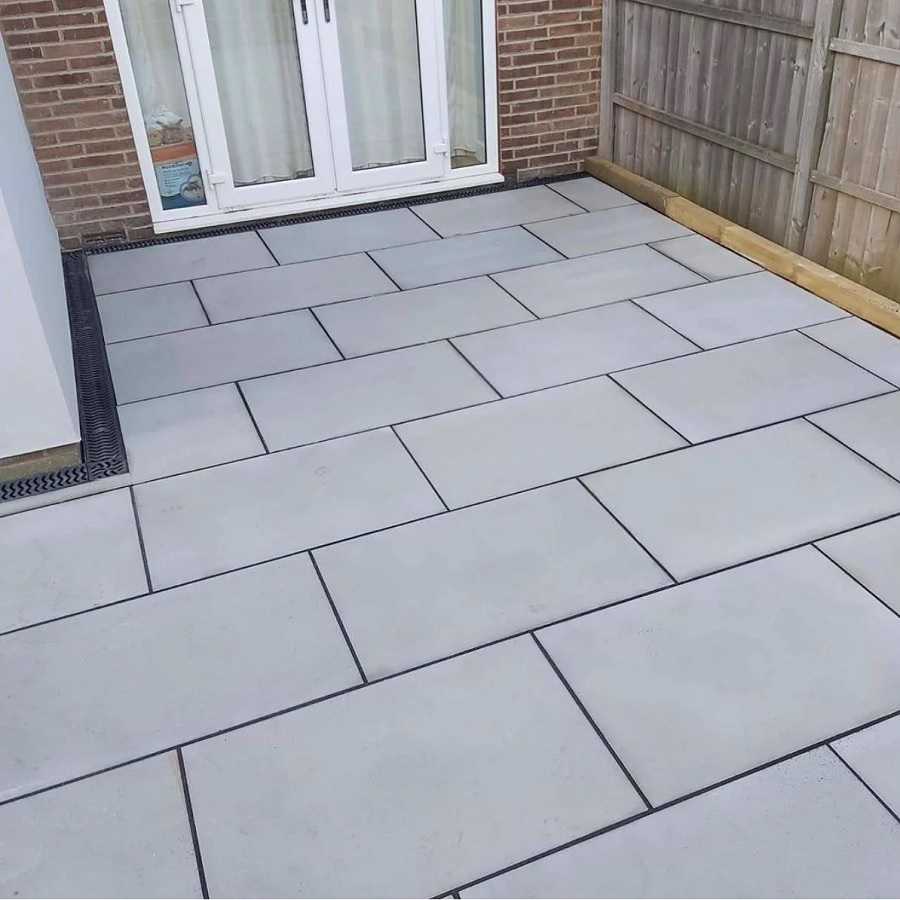
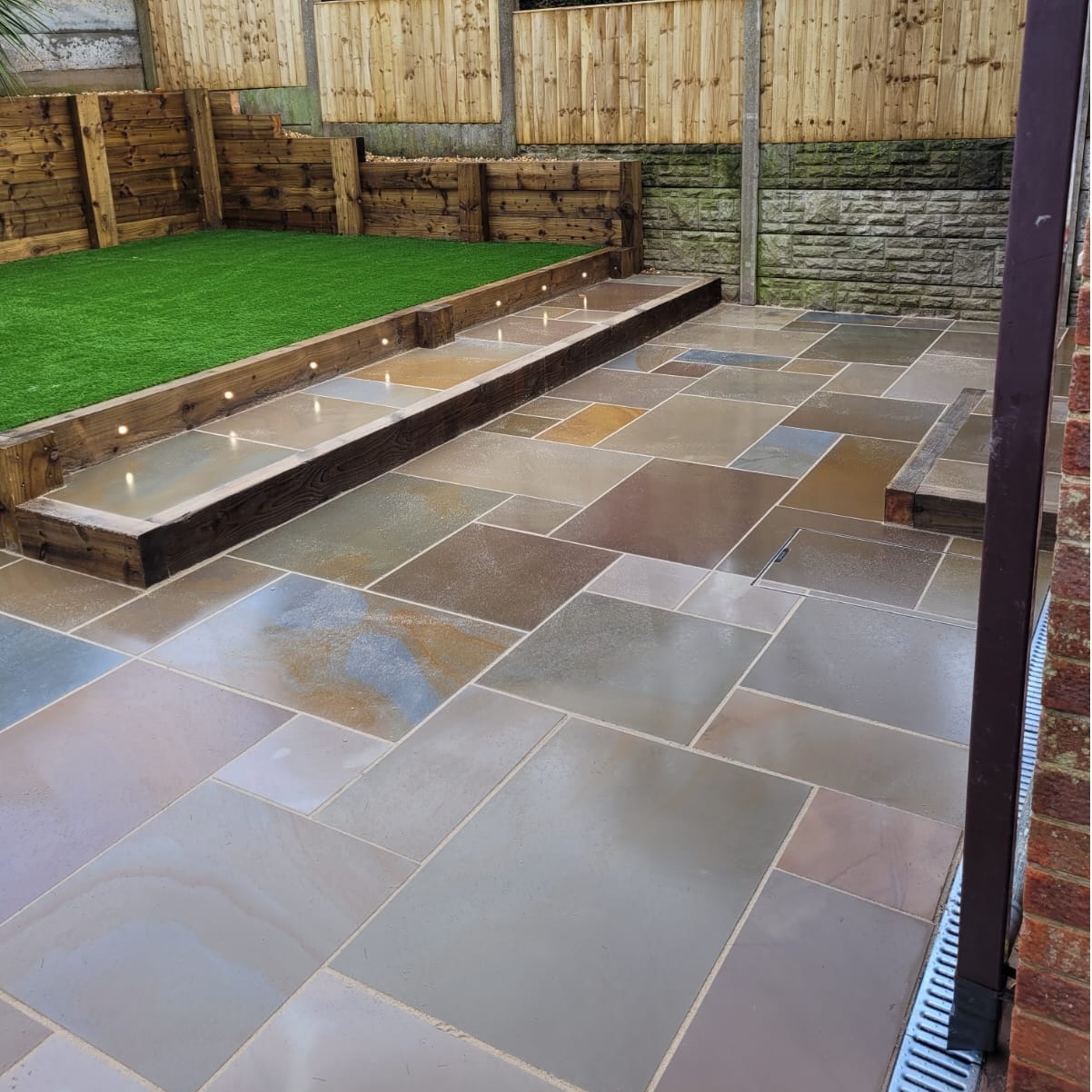
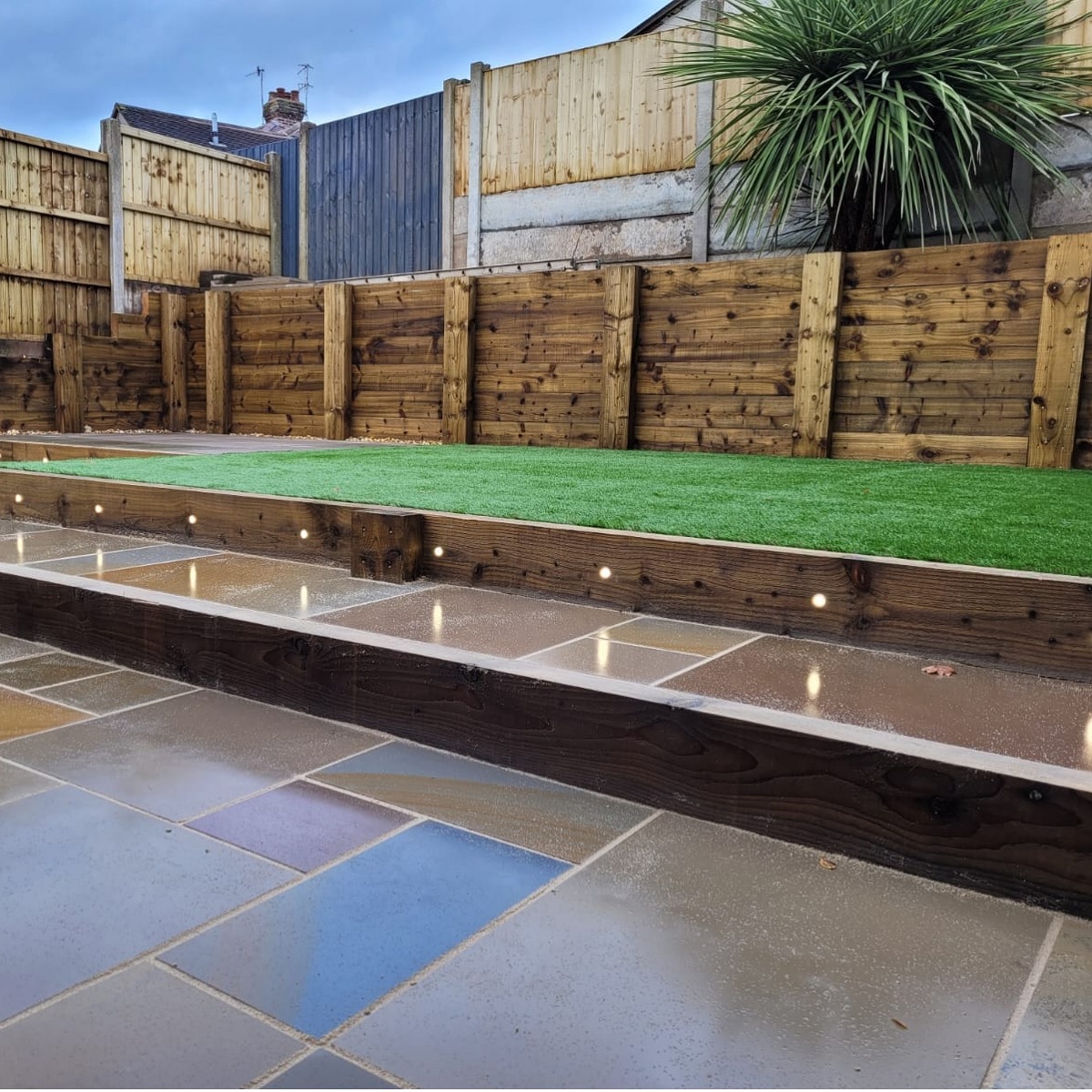
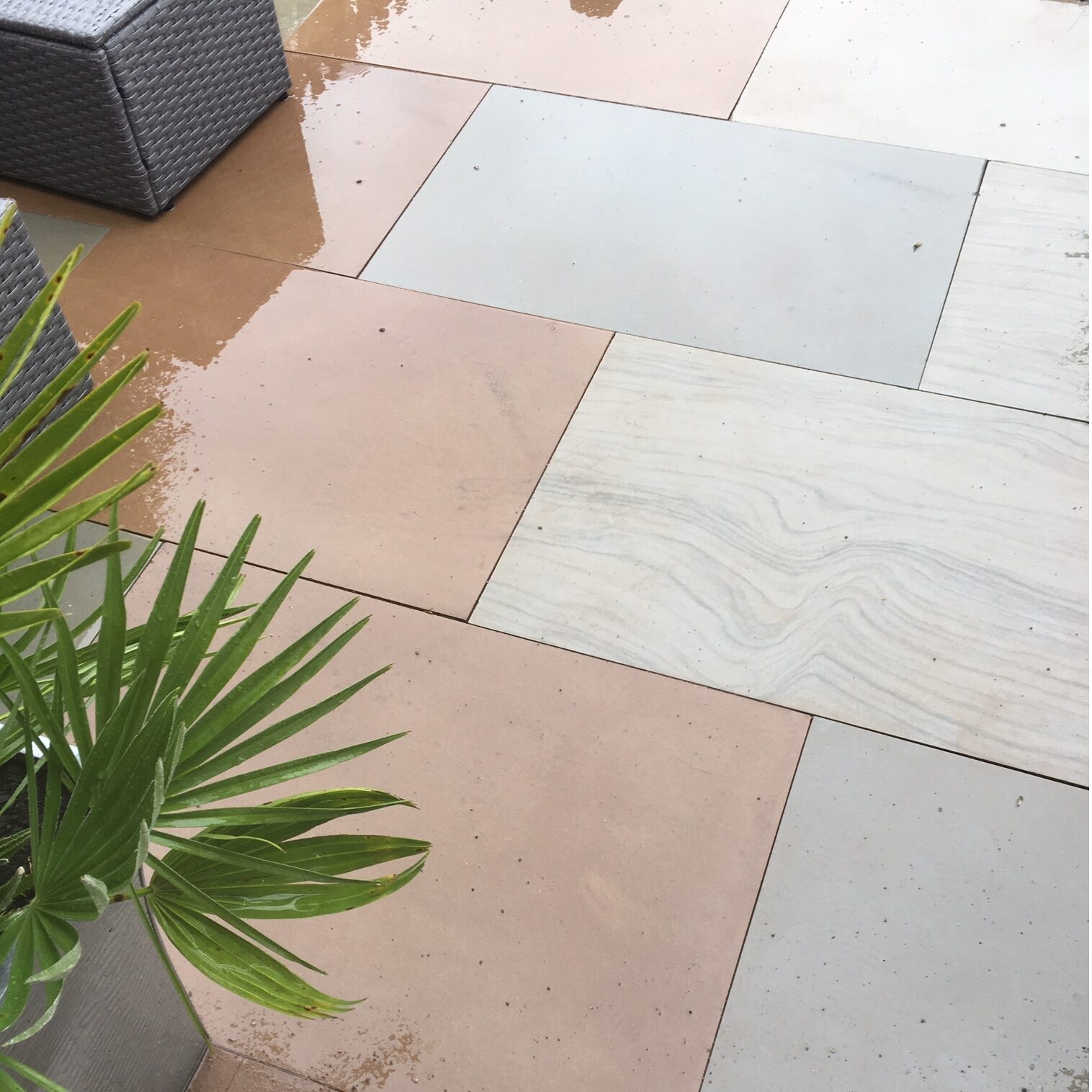
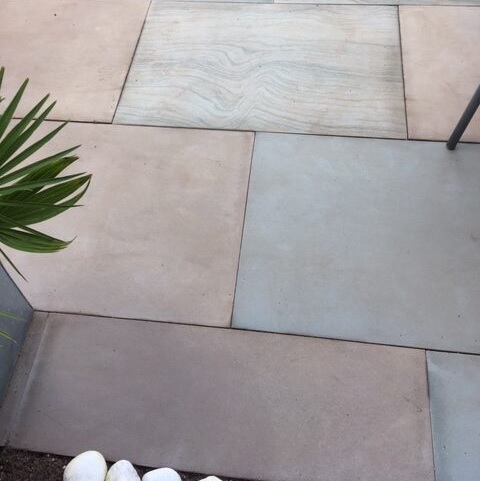
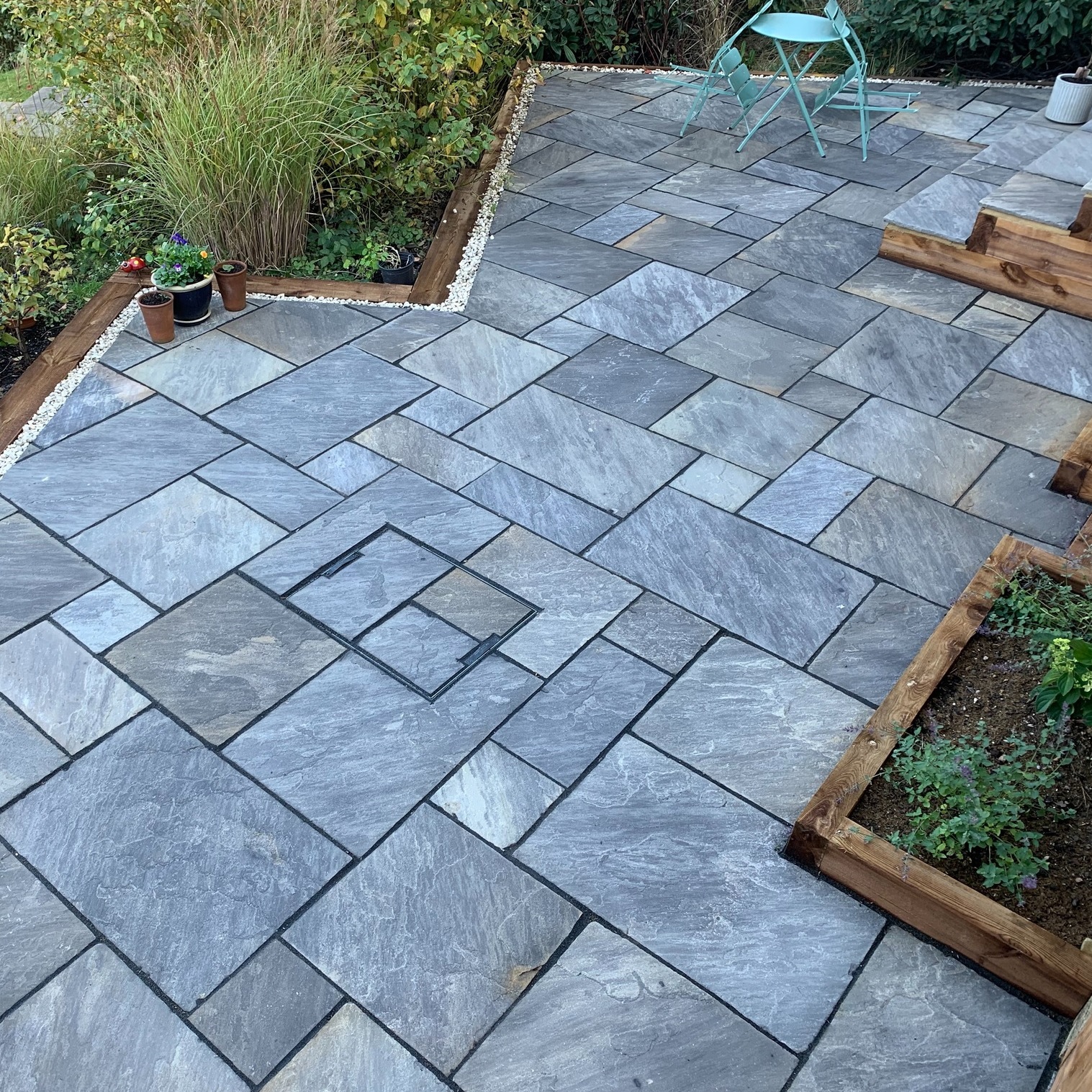
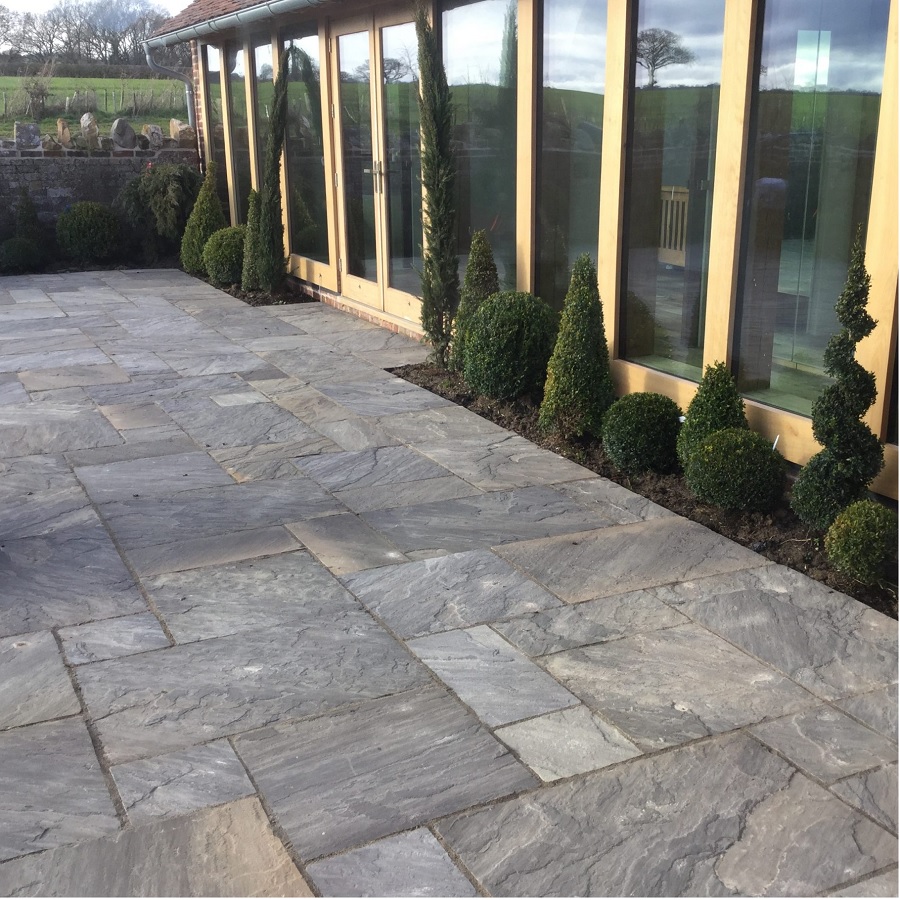
Indian sandstone is a timeless and versatile choice for outdoor paving. Known for their natural texture, warm colours, and excellent durability, they’re perfect for patios, paths, and garden features. With options to suit both traditional and contemporary designs, Indian sandstone paving adds charm and character to any space.
- Unique Natural Colours
- Looks Great – Dry and Wet
- Low Maintenance
- Durable and Hardwearing
- Slip-Resistant Surface (R11 Rating)
Introduction to Indian Sandstone Slabs
Quarried primarily in India, Indian sandstone is one of the most sought-after materials for external paving. Its balance of affordability and natural beauty makes it a popular solution for Indian stone paving in both residential and commercial landscapes. Available in a variety of sizes, colours, and finishes, Indian sandstone slabs offer design flexibility while withstanding heavy use and unpredictable weather.
Benefits of Indian Sandstone Paving
When it comes to choosing materials for your garden, patio, or driveway, Indian sandstone paving slabs offer a compelling mix of performance and aesthetics. Here are the key benefits:
Durability
Sandstone is a natural stone that can withstand harsh weather conditions, heavy rain, frost, and high foot traffic. It's also easier to work with than granite.
- Withstands heavy rain, frost, and regular foot traffic with ease
- Suitable for year-round use in all weather conditions
- Ideal for patios, driveways, and high-traffic garden paths
Variety
Sandstone comes in a wide range of colours, textures and finishes, including solid and multi-toned colour variations, allowing you to select the sandstone that suits your specific design requirements.
- Available in multiple colours and surface textures to suit different design styles
- Choose from smooth, riven, or tumbled finishes
- Compatible with both traditional and contemporary landscaping
Cost
Sandstone is generally more affordable than other types of stone flooring, especially Indian Sandstone.
- More affordable than materials like granite or porcelain
- Cheap Indian sandstone options available without sacrificing quality
- Great value for large areas like patios or Indian stone driveways
Low Maintenance
Sandstone is relatively low maintenance, with maintenance only required once or twice a year to help maintain the durability of the stone and its overall appearance – using specialised sandstone sealing products.
- Requires basic upkeep a few times per year
- Regular sweeping and occasional sealing keeps it looking new
- Use a good quality sandstone sealer to prevent stains and erosion
Types of Indian Sandstone
We supply a wide range of Indian sandstone garden slabs in unique colours and finishes, each offering its own distinctive aesthetic:
Indian Sandstone Applications
Indian sandstone paving is incredibly versatile, making it suitable for a wide range of outdoor landscaping uses. Below are the most common and effective applications:
- Patios:
One of the most popular uses, Indian sandstone patio slabs offer a natural, slip-resistant surface ideal for entertaining or relaxing outdoors. Their variety of colours and finishes complements both traditional and modern garden designs.
- Garden Paths:
Indian sandstone path slabs create clear, attractive walkways through lawns, flowerbeds, or vegetable gardens. The riven surface provides excellent grip, while the natural stone blends beautifully with greenery.
- Driveways:
With proper sub-base and installation, Indian sandstone driveway slabs can handle vehicle traffic. Thicker stones are recommended for strength, and sealing helps protect against oil stains and weather exposure.
- Stepping Stones:
Cut as individual pieces or in decorative shapes, Indian sandstone stepping stones are great for informal walkways across lawns or gravel. They help protect grass from wear while adding visual interest.
- Feature Areas & Borders:
Use Indian stone flags to create standout zones, such as firepit surrounds, water features, or garden seating areas. You can also use smaller slabs or offcuts for edging flowerbeds or paths.
Patios & Garden Paths
Indian paving slabs are ideal for patios and paths thanks to their anti-slip texture and wide size range. The riven surface creates traction, while the colour variety blends naturally with outdoor settings. For best results, refer to our guide on how to lay patio slabs to ensure correct installation.
Comparison with Other Paving Materials
When comparing Indian sandstone paving stones to porcelain or limestone, each offers its own set of pros and cons.
- Cost:
Indian sandstone is more affordable than porcelain and typically easier to source in larger sizes or bulk.
- Durability:
Porcelain is harder and more resistant to stains and weather, while sandstone can erode if not sealed properly. Limestone sits in the middle but is more prone to scratches.
- Maintenance:
Porcelain needs very little upkeep; sandstone should be sealed annually and cleaned regularly. Limestone requires sealing and careful cleaning to avoid damage.
Indian Sandstone vs. Limestone vs. Porcelain Paving
| Feature |
Indian Sandstone |
Limestone |
Porcelain |
| Appearance |
Wide colour range, riven textures, natural charm |
Softer hues with fossil markings |
Uniform finishes, stone & wood effects |
| Durability |
Strong but porous if unsealed |
Durable when sealed, softer than granite |
Highly durable in all conditions |
| Maintenance |
Needs sealing & regular cleaning |
Sealing preserves colour & texture |
No sealing, easy to clean |
| Cost |
Excellent value, ideal for large patios |
Budget-friendly natural stone |
Mid-range to premium |
| Best for |
Versatile patios, paths & steps |
Rustic or traditional courtyards |
Contemporary, low-maintenance patios |
Maintenance Tips
To keep natural Indian sandstone paving looking its best, regular care is essential. Sweep away leaves and debris weekly, and wash the slabs with mild soap and warm water when needed. Apply a sandstone sealer once a year, ideally before winter, to prevent staining, water damage, and colour fading.
FAQs (Frequently Asked Questions)
Is Indian sandstone suitable for driveways?
Yes, Indian sandstone driveway slabs are durable enough to handle light to moderate vehicle traffic when installed properly. Their riven texture also provides good slip resistance. Thicker slabs are recommended for added strength under heavy loads.
What is the difference between sandstone and Indian sandstone paving?
Indian sandstone is a specific type of sandstone that is typically more affordable and widely available in pre-cut paving formats. It comes in a wide range of colours and finishes ideal for landscaping. Compared to local sandstone, it often offers better value and variety.
What are the disadvantages of Indian sandstone?
Without sealing, Indian flagstone can absorb moisture and stain over time. It may also become slippery if algae or moss build up on the surface. Regular maintenance is key to preserving its appearance and functionality.
How long does Indian Sandstone paving last?
With proper installation and regular maintenance, Indian paving sandstone can last 25-30 years or more. Sealing the slabs helps protect against erosion and colour loss. Its natural durability ensures long-term performance in most UK climates.