Introduction to Concrete Paving
Concrete paving slabs are a long-lasting durable slab that can withstand various weather conditions, its versatile design suits any landscape and is an affordable option as it is cost-effective compared to natural stone.
As well as the bonus of having low maintenance requirements. Our concrete paving slabs are available in a wide variety of sizes and colours, giving you the unique ability to customise patterns and designs around your home's exterior.
Benefits of Concrete Paving
The benefits of using concrete paving are endless, its considered a more durable and long-lasting option, resistant to weather and requires little maintenance.
Durability
Concrete slabs are known for their durability and longevity, often lasting 25 to 50 years or more with proper installation and maintenance.
There are many factors that contribute to their extended lifespan. Concrete is inherently strong and resistant to weathering, making it suitable for various applications. A professional installation further increases the longevity of concrete slabs, the preparation of the foundation before laying should be considered; a stable and well-drained sub-grade is essential to prevent settling and moisture issues.
Versatility
Concrete slabs offer a diverse range of styles, colors, and textures, making them versatile enough to complement various outdoor designs. The more traditional classic small format concrete slabs offer a clean, simple look whereas the more modern sleek design has a more minimalistic approach, often featuring large format slabs with smooth finishes, perfect for contemporary settings.
Theres smooth and textured options, the smooth being the more modern style whilst riven surfaced concrete is a more traditional style matching natural stone, more suitable for traditional countryside cottages and anyone who wants a more traditional patio appearance.
Low Maintenance
Regular maintenance extends the life of concrete slabs. This can include regular sealing, protecting the surface from water build up and general damage from external factors like bad weather. It’s important to repair minor cracks promptly, preventing cracks from expanding and causing further damage, especially in cold weather conditions.
Concrete's resistance to various environmental factors, such as UV radiation, temperature fluctuations, and moisture, contributes to its longevity. However, exposure to harsh conditions (like freeze-thaw cycles or de-icing salts) can impact its lifespan, making maintenance even more critical in these situations.
With these considerations, a well-installed and maintained concrete slab area can provide a reliable service for decades, making it a popular choice for foundations, driveways, patios, and more.
Affordability
Concrete slabs are commonly a more cost-effective solution compared with natural stone or porcelain without sacrificing style and quality. Due to low material costs, concrete is generally less expensive to produce than natural stone or high-end porcelain tiles.
This cost advantage makes concrete slabs a budget-friendly choice for large areas. In addition, reduced installation expenses contributes to increased affordability as the installation process for concrete slabs can be simpler and quicker than that of natural stone or porcelain, often resulting in lower labor costs.
Types & Styles of Concrete Slabs
Concrete slabs offer a wide variety of finishes and colour options, allowing for customisation that suits any design preference or outdoor style.
The ability to combine colors, textures, and styles allows for endless design possibilities. For example, a smooth, light-colored slab can provide a modern look, while a textured, darker slab can enhance a more rustic outdoor area. This versatility makes concrete slabs suitable for patios, walkways, and driveways, seamlessly integrating into any outdoor design.
Smooth Concrete Paving Slabs
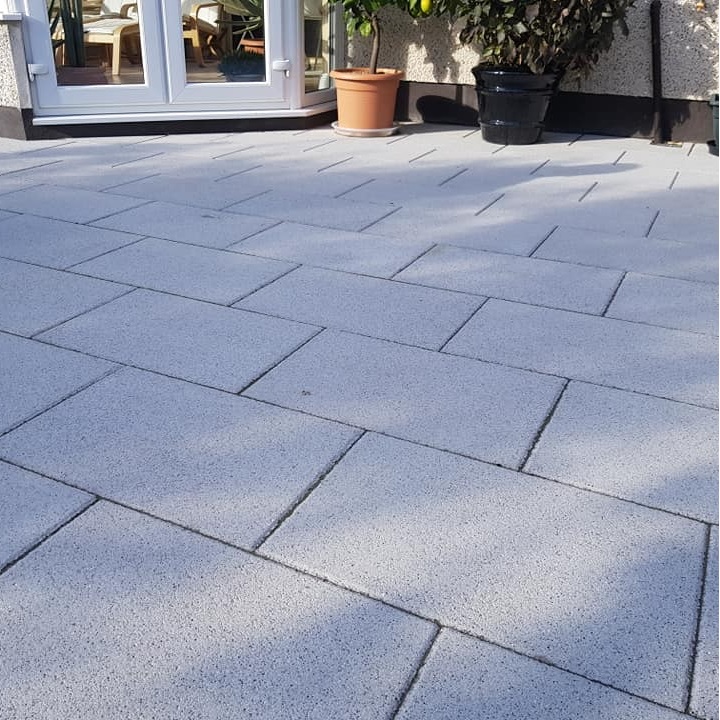
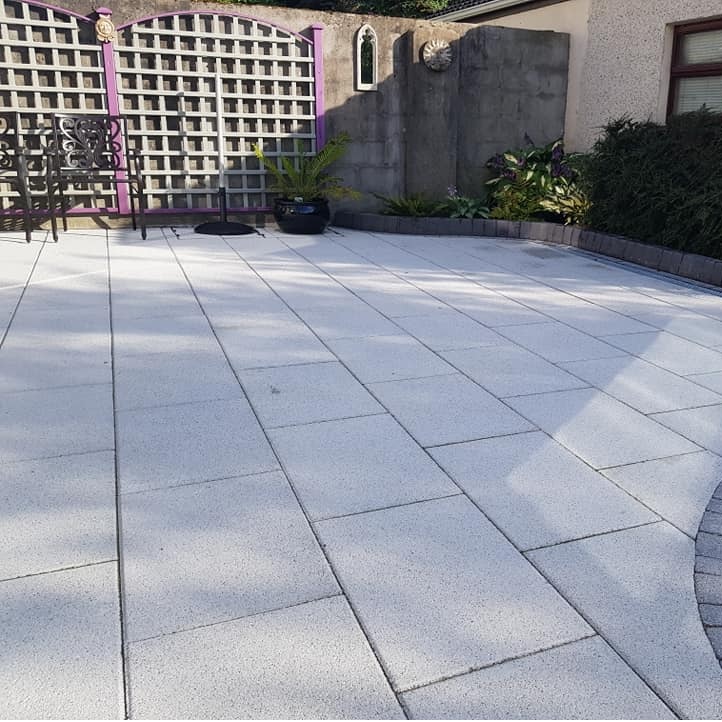
A smooth finish has a sleek, polished appearance, making it ideal for modern and contemporary designs; commonly used for patios, walkways, and pool decks, it provides a clean look and is easy to maintain. The benefit of smooth surfaces is down to enhanced light reflection which creates a spacious feel in outdoor areas.
Riven & Textured Concrete Paving Slabs
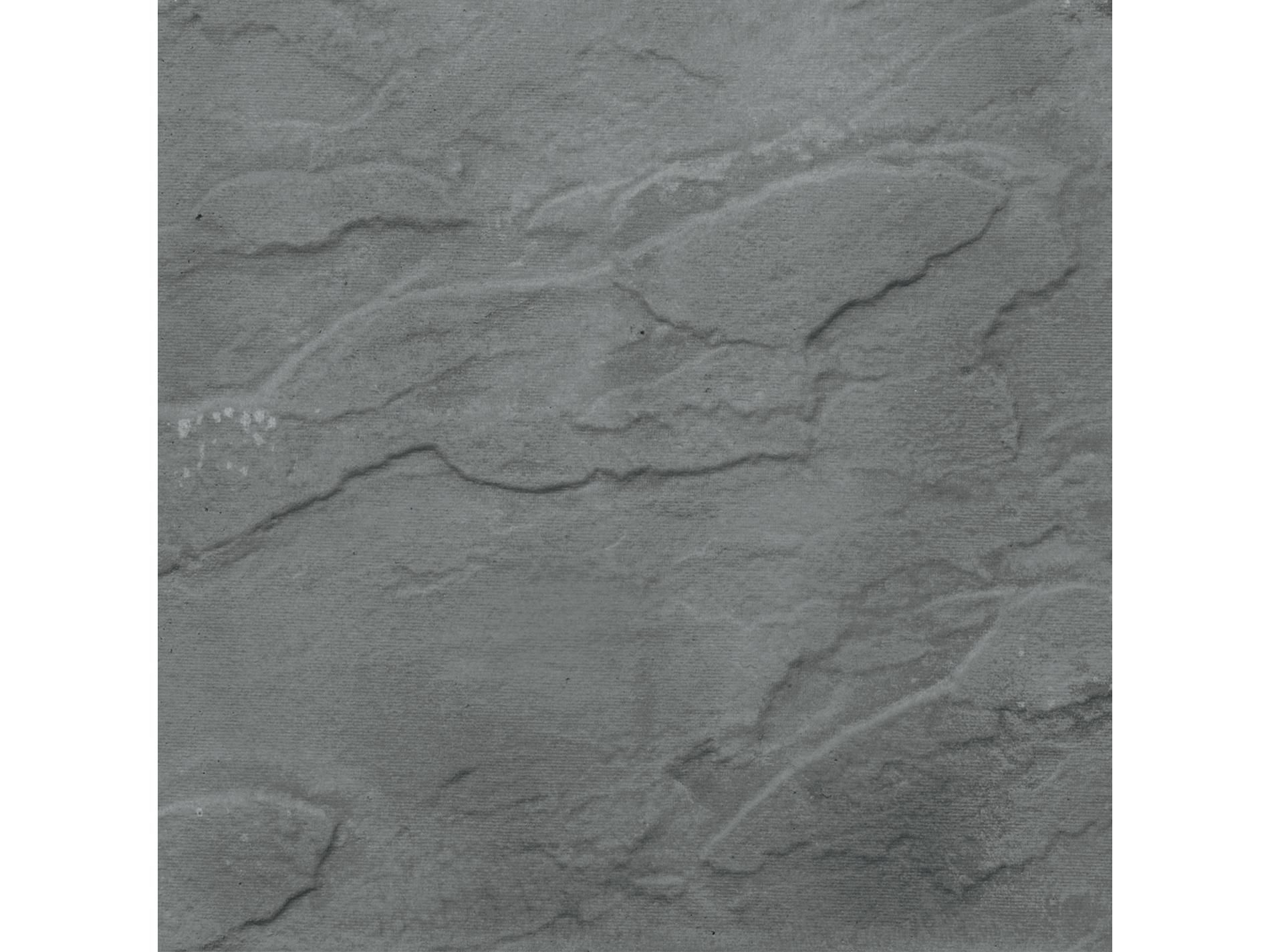
A riven/textured finish creates a surface that resembles natural stone, featuring uneven, layered textures that add depth and character; perfect for gardens, pathways, or any setting where a more organic, earthy feel is desired.
Concrete Colour Options
There are a variety of concrete colour options available that suit specific applications better than others, including light grey, dark grey, red and buff.
Grey Concrete Paving Slabs
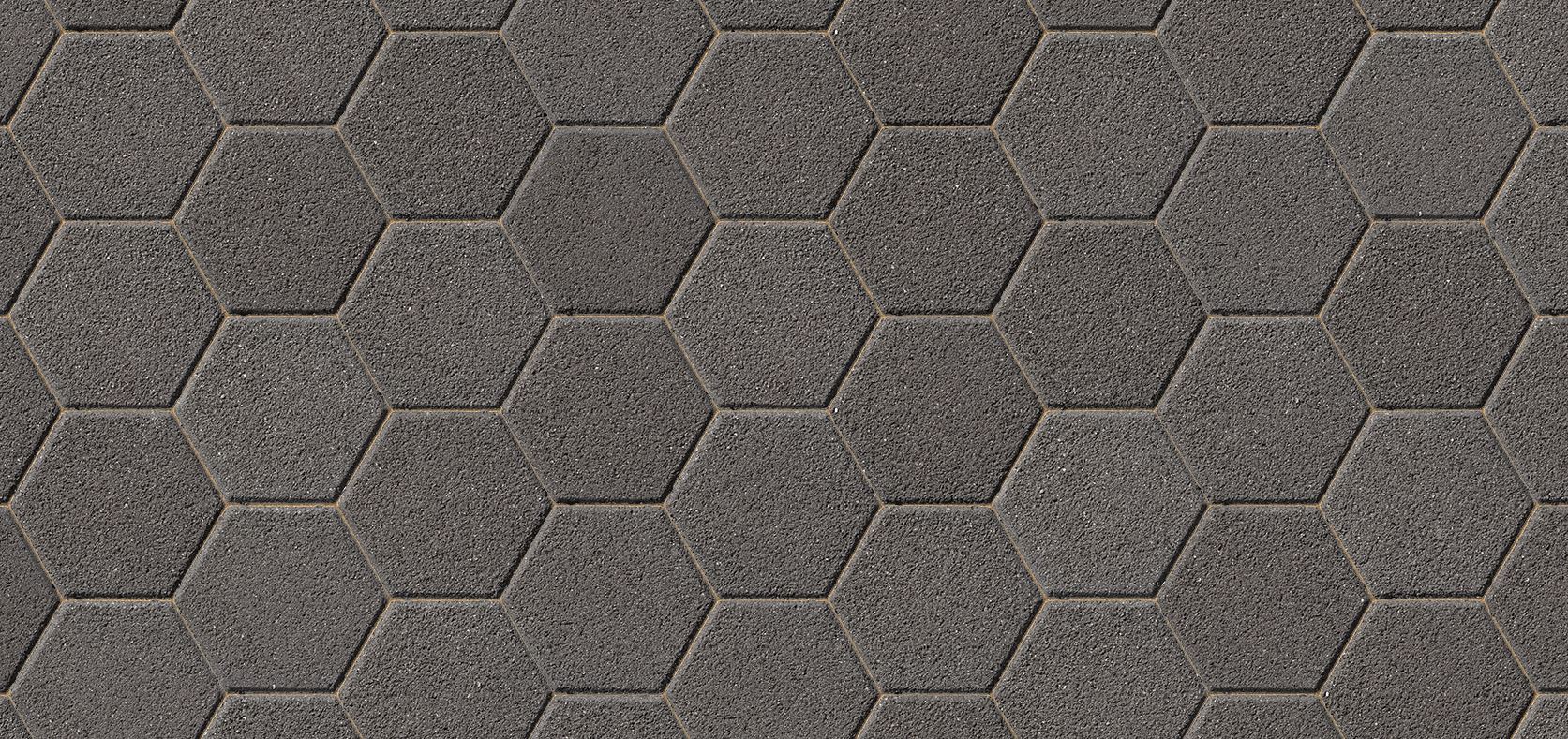
Grey concrete paving slabs is the more classic look for concrete slabs and is available in a variety of different grey shades, from light to dark, to suit most design requirements. This grey concrete works well in modern and industrial aesthetics, allowing other design elements to stand out.
Buff Concrete Paving Slabs
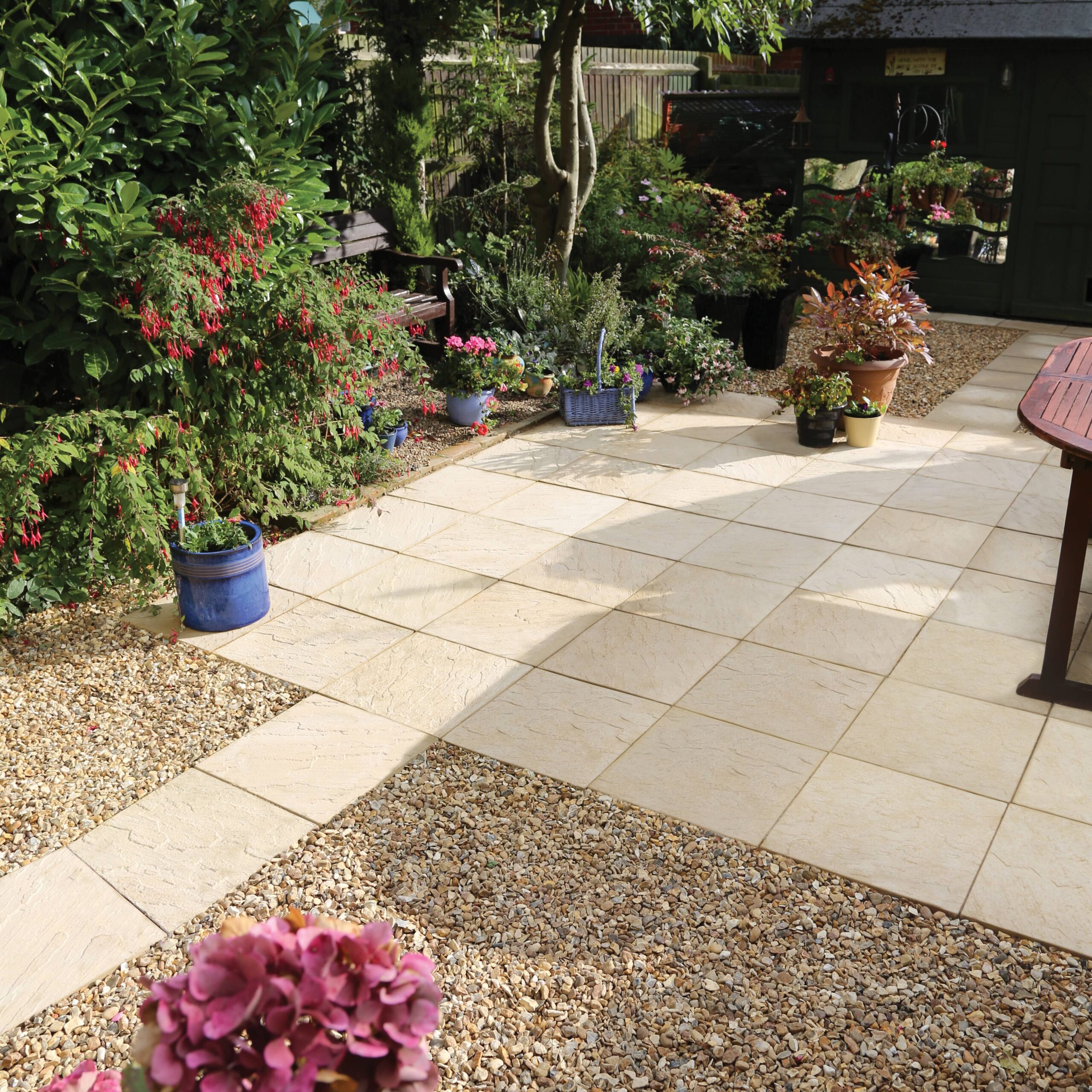
Buff / Beige concrete paving slabs offer a warm, soft alternative to grey, adding a touch of elegance. Ideal for traditional or Mediterranean-style homes, enhancing their charm.
Red Concrete Paving Slabs
Red concrete paving slabs have rich red hues, adding to the vibrancy and warmth of the paved area, providing a distinctive look that stands out. This red colour is more suitable for creating focal points in gardens or driveways, often used in rustic or southwestern designs.
Black Concrete Paving Slabs
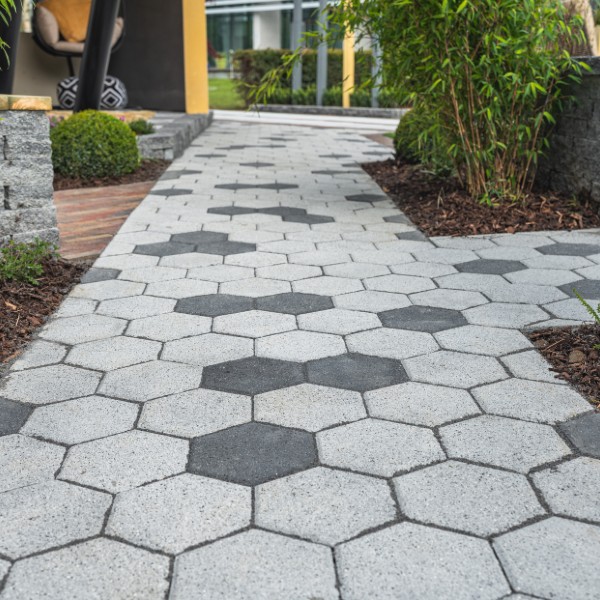
Black concrete paving slabs can drastically enhance the look of light-colored surroundings, providing an eye catching contrast. Their deep, rich tones add a layer of depth and dimension. On top of that, these black tiles are functional as they absorb heat from the sun, making them suitable for colder areas that require some additional warmth. They are also adept at masking dirt and small damages, which makes them relatively low-maintenance.
Concrete Slabs vs. Other Materials (Natural Stone & Porcelain)
When comparing concrete slabs to natural stone slabs, porcelain, and granite, concrete emerges as a highly durable and lower-maintenance alternative. The following text will compare the durability, maintenance requirements and cost of concrete compared with natural stone and porcelain.
Durability
Concrete is inherently strong and can withstand heavy loads, making it suitable for various outdoor applications. When properly installed and sealed, it can resist cracking and weather-related damage. With a lifespan of 25 to 50 years or more, concrete slabs can provide reliable service for decades, especially with regular maintenance.
While natural stone is durable, it can be prone to chipping or cracking under heavy impact or extreme weather conditions. Further, natural stone also has a long lifespan but may require more frequent replacements or repairs, depending on the type of stone and its use.
Maintenance
Concrete slabs require minimal maintenance. Regular sweeping and occasional washing keep them looking clean. Sealing can enhance stain resistance and protect against wear, making upkeep straightforward. Minor cracks can be easily repaired with caulk or sealant, preserving the slab's integrity and appearance.
However, natural stone typically requires more care, including regular sealing to prevent stains and moisture penetration. It may also require specialised cleaners to maintain their appearance. In addition, repairing chips or cracks in natural stone can be more complex and costly, often needing professional intervention.
Cost Comparison
The cost of concrete slabs is generally lower than that of natural stone, porcelain, or granite, making it a budget-friendly option for large areas. With lower maintenance costs and long lifespan, concrete offers excellent value over time.
However, natural stone can be significantly more expensive to purchase and install due to its sourcing and labor-intensive installation process. The need for regular sealing and maintenance can add to the overall cost over the years.
Both porcelain and granite are often priced similarly to or higher than natural stone, with granite particularly commanding a premium for its durability and aesthetic appeal. While durable, they also require regular maintenance, which can add to the overall expense.