


Overview of How Much Does A New Driveway Cost In The UK
The cost of a new driveway in the UK in 2025 depends on several key factors, including the surface material, the size of the driveway, the condition of the ground, and labour rates.
Knowing the average cost of driveway materials and installation will help you plan realistically, compare driveway quotes confidently, and avoid unnecessary overspending.
In this guide, we’ll break down the full cost of driveway installation across popular materials, along with maintenance advice and budget-saving tips.

Table of Contents
Key Points
- Driveway installation costs in the UK range widely based on material, size, and site conditions, with prices typically between £60 and £185 per m² including labour.
- Labour costs average £30-£50 per m², and total project times vary from 2 days to a week, depending on driveway complexity and access.
- Material choice significantly impacts cost and performance: gravel is the cheapest upfront, concrete is durable but hard to repair, block paving is customisable and long-lasting, and cobblestones offer heritage appeal at a premium.
- Key extras like sub-base installation, drainage, and edging can add £300 to £1,000+ to the total cost, especially for impermeable surfaces requiring SUDS compliance.
- Maintenance needs vary: gravel requires raking and top-ups, block paving needs re-sanding, and concrete benefits from sealing every few years to prevent cracking and stains.
- Planning permission is generally not required for permeable driveways under 5m², but may be needed for larger, impermeable installations or if changes are made to kerbs or drainage.
What Factors Influence The Cost Of A Driveway Installation
The total cost of a driveway installation is influenced by:
- Your chosen material, driveway size, access conditions, and drainage requirements.
- Local labour rates and regional variations can also affect pricing.
- Ground preparation and sub-base installation are critical factors that are often underestimated in early quotes.
Homeowners should also account for extras such as edging, lighting, or gates, which can significantly increase overall costs. Planning for these elements early on helps avoid unexpected charges and ensures accurate driveway quotes.
Labour Costs For Driveway Paving Per M²
- Driveway paving costs for labour in the UK typically range between £30 and £50 per m².
- On average, installers may charge £150 to £200 per day per worker, depending on location and job complexity.
- A small driveway might take 2 to 3 days to complete, while larger or more detailed projects may take up to a week.
Labour charges may increase in cities or areas with limited site access, so it’s important to get a few local driveway quotes to compare accurately.
Cost Breakdown By Driveway Material
Material choice plays the biggest role in determining your total driveway cost. Below is a breakdown of the most common surface types in 2025, including installation.
Block Paving Driveway Costs And Considerations
- Block paving costs between £135-£185 per m², depending on the quality and design.
- A two-car driveway (around 50-60m²) typically costs £6,750 to £11,100.
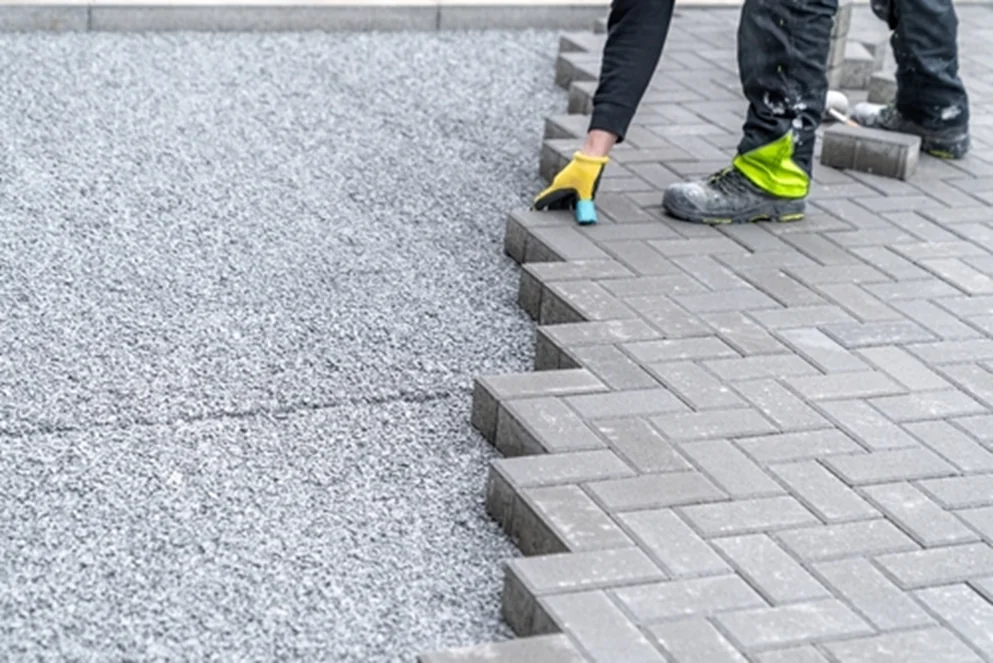
Block paving is popular due to its aesthetic flexibility and ease of repair. Individual bricks can be replaced if damaged, and installation is more labour-intensive but results in a highly customisable and long-lasting surface, especially when you understand how to lay block paving correctly.
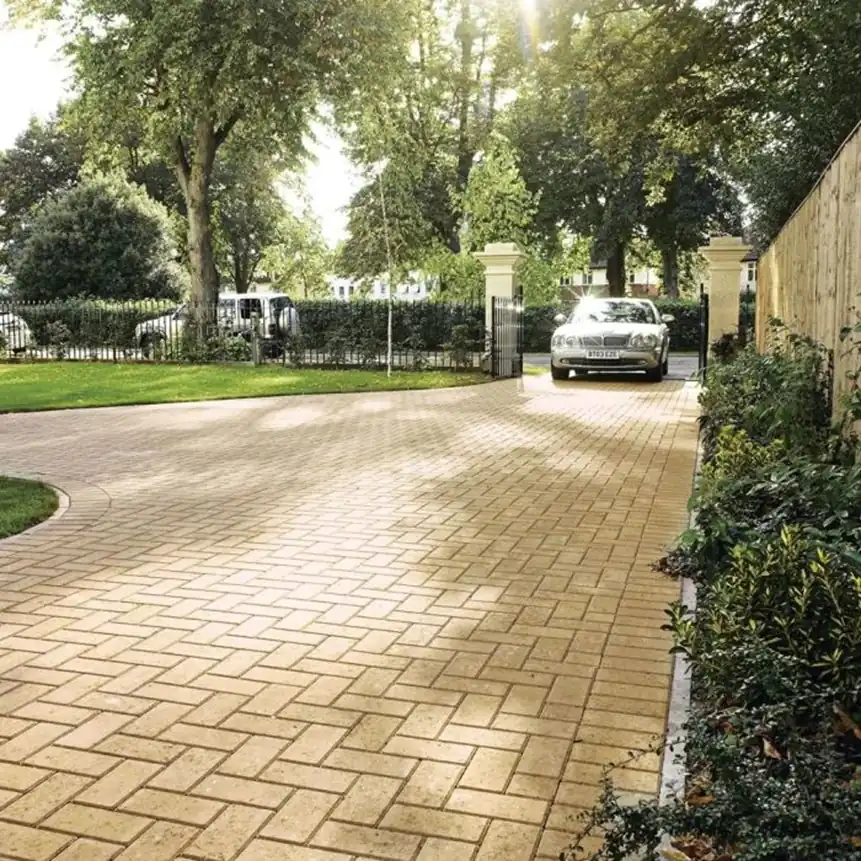
Block Paving Driveway
Concrete Driveway Costs And Finish Options
- Concrete driveways cost around £105-£145 per m², with the average two-car drive costing £5,250 to £8,700.
- Standard options include brushed or plain concrete, while decorative stamped or coloured finishes are more expensive.
Concrete is highly durable and suits homes needing a smooth, hard-wearing surface. However, once cracked, it’s difficult to patch invisibly, so proper base preparation is key to long-term performance.
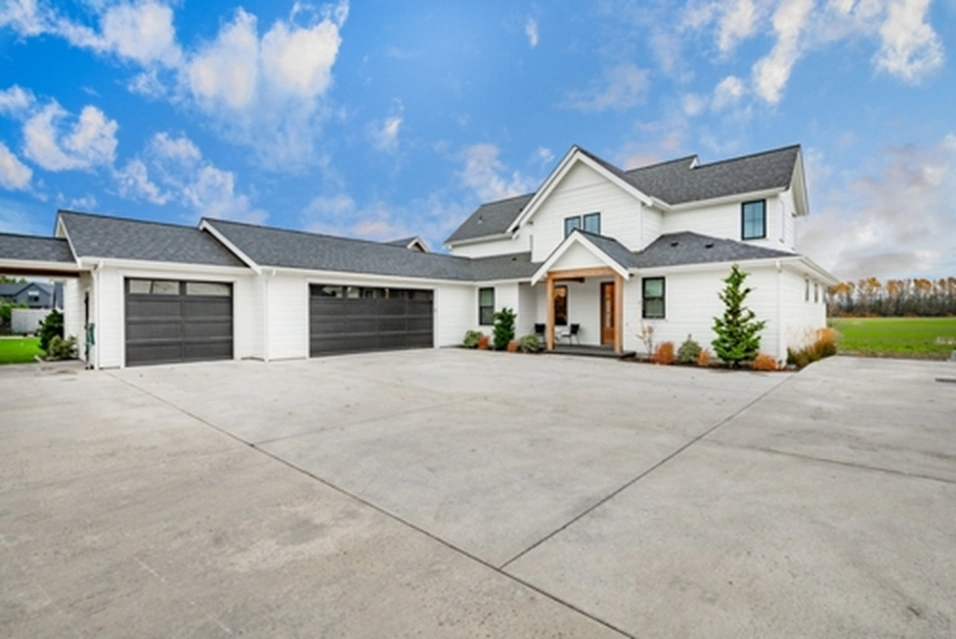
Concrete Driveway
Gravel Driveway Costs And Suitability
Gravel is one of the most cost-effective driveway materials, typically costing £60-£80 per m².
- A 50m² gravel driveway may cost between £3,000 and £4,000, making it ideal for budget-conscious homeowners.
It’s fast to install and offers natural drainage, but gravel does require occasional raking and topping up. Consider enhancing the look with decorative stones to improve kerb appeal and complement traditional or countryside properties.
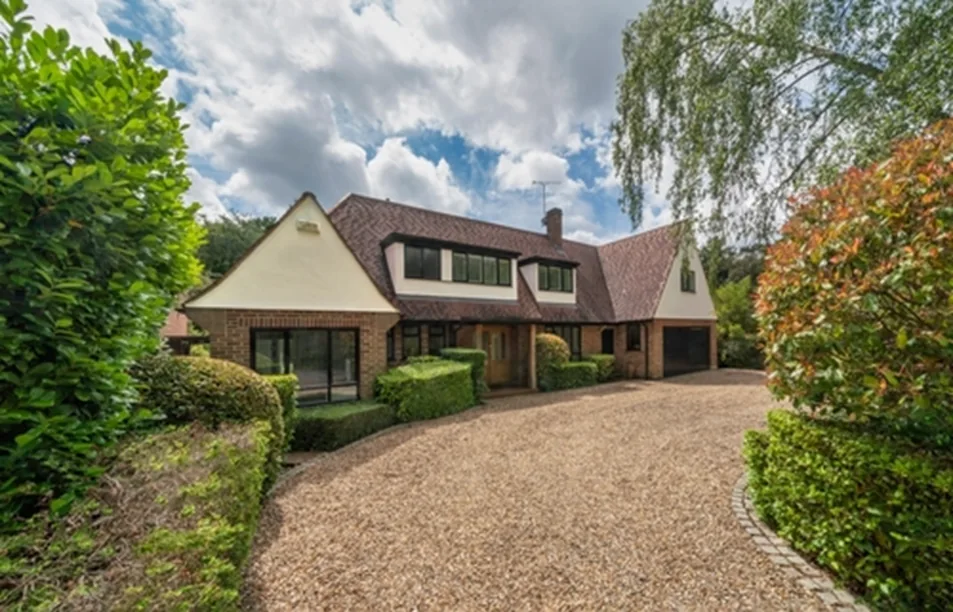
Gravel Driveway
Cobblestone And Sett Driveway Pricing
Cobblestone or sett driveways cost between £130-£180 per m², depending on the stone type and layout.
- A 50m² cobbled drive can cost £6,500 to £9,000 or more.
This type of surface offers a heritage look and can last over 30 years with proper installation. However, cobblestone laying is labor-intensive and more expensive, and repairs, though rare, can be costly due to the difficulty of sourcing matching materials.
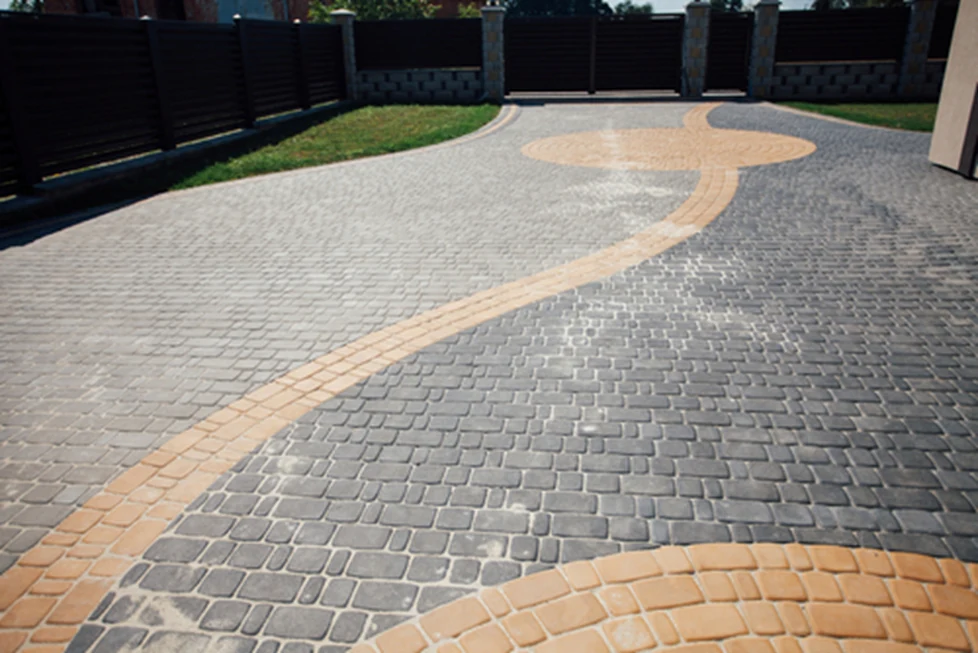
Cobblestone Driveway
Comparing Costs: Block vs Concrete vs Gravel vs Cobblestone
| Driveway Material | Average Cost per m² | 2-Car Driveway Estimate |
| Gravel | £60-£80 | £3,000-£4,000 |
| Concrete | £105-£145 | £5,250-£8,700 |
| Block Paving | £135-£185 | £6,750-£11,100 |
| Cobblestone | £130-£180 | £6,500-£9,000 |
Material Pros And Cons For Long-Term Value
Driveway costs go beyond installation. Long-term maintenance, durability, and repairs should also factor into your decision. Some surfaces cost more upfront but offer better long-term value.
Durability And Maintenance Of Block Paving
Block paving is strong, long-lasting, and easy to repair because individual blocks can be replaced without disturbing the rest of the driveway. It does need some upkeep, like brushing away debris and re-sanding the joints every few years. From the start, make sure to use weedkiller as this will stop weeds from growing between block paving and save you time in the future.
Advantages And Challenges Of Concrete Driveways
Advantages:
- Concrete is ideal for driveways that get regular use and need to handle heavier vehicles.
- It’s strong, durable, and can last decades when laid on a proper sub-base.
Challenges:
- The main issue is cracking, which usually happens when the base isn’t done properly or the surface is exposed to harsh winters.
- Applying a sealant every few years helps protect the finish and makes it easier to clean oil and dirt.
Advantages & Challenges Of Concrete Driveways
When Gravel Is The Right Choice
Gravel works well for driveways where drainage is important and the budget is tighter. It suits rural or traditional homes and is quick to install. It can scatter over time, and weeds can pop through, but using a good membrane underneath and adding edging keeps it looking tidy with less effort.
Additional Installation Costs To Budget For
Besides materials and labour, there are other driveway prices and expenses to keep in mind. These extras may not appear in the first quote, but they’re often essential to a proper installation.
Sub-Base, Drainage And Edging Requirements
Every driveway needs a solid base to stay strong over time.
- Most installers use MOT Type 1 crushed stone, which costs around £20-£40 per m².
- If your driveway surface isn’t permeable (like concrete or tarmac), you’ll also need proper drainage, which can add between £300 and £1,000 depending on the setup.
- To finish it off neatly and prevent shifting, edging or kerbstones are added, these usually cost £15-£40 per metre and may require extra labour.
Driveway Size, Shape And Access Impact On Price
Oddly shaped driveways or sites with poor access can increase costs due to extra labour or hand excavation. Large driveways may qualify for discounts on bulk materials, but labour will scale with size. Creative shapes and layouts can also add character and function, driveway design inspirational ideas can come from anywhere and often help homeowners make the most of their available space.
Maintenance And Lifespan Of Each Driveway Type
The lifespan of a driveway depends on the material you choose and how well you look after it. A bit of regular maintenance goes a long way, keeping the surface clean, sealed, and free from damage will make your driveway last longer and save you money on repairs.
Cleaning, Sealing And Repairs
Regular maintenance is key if you want your driveway to last. Some materials need more care than others, but simple tasks like cleaning and sealing can make a big difference.
- Gravel: Rake monthly, top up every 2 -3 years
- Block paving: Power wash and re-sand joints every few years
- Concrete: Pressure wash, seal every 4-5 years
- Cobblestone: Low maintenance, but may need occasional regrouting
Cleaning services usually cost between £8-£15 per m². Sealing ranges from £200–£900, depending on the size of your driveway.
Cost-effective Upkeep Tips
A few simple steps can help keep your driveway looking good without breaking the bank:
- Tackle oil stains early using vinegar or specialist cleaners
- Install a weed barrier under gravel or block paving to reduce growth
- Reseal concrete or block paving every few years
- Repair cracks before winter to prevent water damage
Sustainable And Eco-conscious Driveway Options
More homeowners are choosing eco-friendly driveways that reduce runoff and meet SUDS (Sustainable Urban Drainage Systems) standards.
Options like resin-bound gravel, permeable block paving, reinforced grass grids, and gravel with a proper sub-base and weed membrane all allow rainwater to soak into the ground naturally. Some materials, like traditional concrete or tarmac, may require extra drainage and could even need planning permission for driveways, depending on their permeability and installation.
Planning Permission And UK Regulations Explained
Planning permission is not usually required if your driveway is under 5m² or uses a permeable surface. If you’re installing tarmac, concrete, or block paving without proper drainage, permission may be required.
You’ll also need to apply for permission if the new driveway connects to a public road or requires dropping the kerb. Always check with your local council to ensure compliance, especially when it comes to drainage or material type, as planning permission for driveways can vary slightly depending on location.
Looking for more information regarding planning permission? read our related article: Planning Permission for Driveways Explained
FAQs (Frequently Asked Questions)
What is the cheapest long-term option for driveway installation?
Gravel is the most affordable upfront, but it requires more maintenance over time. Block paving may cost more to install, but it can be repaired in sections and lasts longer with proper care. For value over time, block paving is often the most cost-effective choice.
How do I estimate the full cost of my driveway?
Start by measuring your space in square metres, then multiply by the cost per m² for your chosen material. Don’t forget to factor in labour, excavation, sub-base, and drainage. To avoid surprises, always ask for itemised driveway quotes from professionals.
Do I need planning permission for block paving or gravel?
Planning permission isn’t usually needed if you’re using permeable materials like gravel or SUDS-compliant block paving. If the surface is over 5m² and impermeable without adequate drainage, permission may be required. Always double-check with your local council before starting.
Can I install a new driveway over an old one?
In most cases, laying new material over an old driveway isn’t recommended. The old surface may have structural issues that affect the new installation. It’s best to remove or properly assess the existing base before starting fresh.

Whether your patio is in need of a comprehensive clean or you're just aiming to refresh your outdoor space, this Read more

In all garden designs, steps serve more than just a practical purpose; they enhance the visual appeal of your outdoor Read more

Patio slab painting is becoming increasingly popular, with people painting paving slabs for various reasons, in particular, painting patio concrete Read more

Stopping weeds from growing between block paving is important because they can damage the surface and make the area look Read more

