


What Is A Sub-base And Why Is It Important?
A sub-base is the layer of compacted material, usually crushed stone or gravel, placed between the ground and the bedding layer. It supports the structure above, helps with drainage, and prevents the surface from sinking or shifting over time. If you skip this step, your paving might look great at first, but it won’t stay that way for long.
A sub base is the hidden foundation that holds everything together. Whether you’re working with block paving or slabs, the subbase spreads the load, improves water run-off, and keeps the surface stable. A well-built patio sub base makes all the difference in how long your outdoor space lasts, and how good it looks along the way.

Table of Contents
Key Points
- A sub-base is a compacted layer of crushed stone or gravel laid beneath paving to provide stability, load support, and drainage, preventing movement and surface damage over time.
- Skipping a sub-base can result in uneven surfaces, cracking, poor drainage, and weed growth, leading to costly repairs and a shorter lifespan for the paving.
- MOT Type 1 is the most widely used sub-base material for patios and driveways due to its strength and compaction properties; Type 3 is better for areas needing improved drainage.
- Sub-base depth varies by project: 75-100 mm for paths, 100 mm for patios, and 150 mm for driveways, all compacted in layers of no more than 50 mm at a time.
- Proper installation includes site clearance, layered compaction with a vibrating plate, and ensuring the correct slope for drainage and surface alignment.
- Material quality, drainage planning, and thorough compaction are critical to achieving a durable, long-lasting sub-base for patios, paths, and driveways.
Benefits Of Using A Sub-base For Paving Projects
A sub-base might not be visible, but it plays a massive role in keeping your paving strong, stable, and looking great. It’s the support system that helps your patio base layers stand the test of time.
Key benefits include:
- Evenly spreads weight to stop sinking or shifting
- Helps water drain properly, avoiding surface puddles
- Reduces weed growth coming through joints
- Increases the lifespan of paving by preventing cracking and movement
Risks Of Not Using A Sub-base
Skipping the sub-base might save time or money upfront, but it often leads to frustrating and expensive problems later. Without that solid foundation, your paving is left to fight against movement, water, and weather on its own.
Common risks include:
- Slabs lifting or becoming uneven, creating trip hazards
- Cracks appearing in slabs or between joints
- Gaps opening where weeds can grow through
- Poor drainage, leading to pooling and frost damage
Common Sub-base Materials And Their Uses
Not all subbase material is created equal. The type you choose affects how well your patio or driveway holds up over time, especially when it comes to weight, drainage, and overall durability.
Here are the most common options:
- MOT Type 1 – Crushed limestone, granite or concrete with a mix of sizes. A strong, reliable paving sub base that compacts well and suits most patios and driveways.
- MOT Type 3 – Similar to Type 1 but with fewer fine particles. This option allows for better drainage and works well in wet areas or with permeable paving.
- Hardcore – Made from crushed brick or concrete. It’s cheaper but can vary in quality, making it a less stable choice for a sub base for paving.
- Sand blinding – A fine layer used to level other materials. It’s not a suitable sub base for paving slabs on its own, but may be used to smooth the surface.

Common Sub-base Materials And Their Uses
Choosing the right sub base for installing paving slabs ensures better performance, easier maintenance, and a longer-lasting finish.
Comparing Type 1 And Type 3 Mot Sub-bases
Type 1 and Type 3 MOT are two of the most popular choices when it comes to building a strong, reliable sub base for paving.
- Both are approved to Department for Transport standards and can handle heavy loads, making them great options for patio base layers or driveways.
- The main difference comes down to drainage and the mix of particles in each type.
When To Choose Type 1 Mot
Type 1 MOT is a great all-rounder. It compacts into a solid, stable base and works well under paving slabs, block paving or concrete. It’s ideal for patios, paths and driveways where strength is the main priority. If you need a tough paving sub base that won’t shift under pressure, this is the go-to option.
When To Choose Type 3 Mot
Type 3 MOT is the better pick for areas where water drainage is a concern. It contains fewer fine particles, which allows water to pass through more freely. This makes it perfect for permeable paving systems or for patios in gardens that hold water after rain. If you’re laying a subbase for patio areas in wet conditions, Type 3 is often the smarter choice.
How To Select The Right Sub-base For Your Project
Choosing the right sub base for paving slabs depends on the type of project, the amount of weight it will carry, and the environmental conditions. Each site is different, so it’s important to match the sub-base material and depth to your needs. Using the wrong option can lead to early damage and unnecessary maintenance.
Assessing Load and Usage
Start by thinking about what will be on top of your patio sub base once the project is complete. A light-use garden path has far less load than a driveway used daily by cars. Heavier loads require a thicker and stronger subbase for patio and paving areas, often using MOT Type 1 for maximum compaction and stability.
Drainage and Slope Considerations
Drainage plays a big role in sub-base performance. Poor drainage can weaken the foundation and cause surface damage over time. Always ensure your paving sub base has a gentle slope away from buildings and use materials with suitable permeability for your soil and climate.
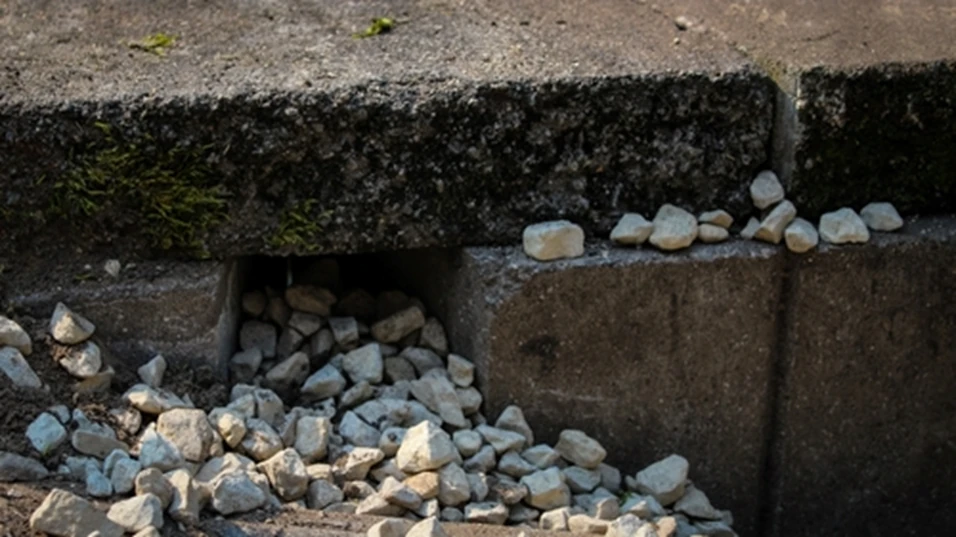
Drainage and Slope Considerations
Balancing Cost And Maintenance
While cheaper materials might be tempting, they often mean more maintenance and repairs in the future. Investing in a high-quality sub base for paving means fewer problems and a longer-lasting surface. Think of it as a one-time investment that protects the money and effort you put into your patio base layers.
Recommended Sub-base Depth By Project Type
The right subbase depth depends on how much weight your paving will need to handle. Getting this part right is key to making sure your patio base layer stays stable and doesn’t shift or sink over time.
Here are the general depth guidelines (after compaction):
- Garden paths: 75-100 mm
- Patios: 100 mm
- Driveways: 150 mm

Digging Sub-base Depth
Always dig slightly deeper than these finished depths to allow for proper compaction. A well-prepared sub base for paving slabs makes all the difference in strength and longevity.
How To Calculate The Volume Of Sub-base Needed
Working out how much subbase material you need is pretty straightforward. Just measure the length and width of your paving area in metres, then multiply that by the depth (also in metres) to get the volume in cubic metres.
Example: For a patio 4 m long, 3 m wide, and 0.1 m deep:
4 × 3 × 0.1 = 1.2 m³
It’s always smart to order about 10% extra. This covers compaction, small mistakes, and any waste that turns up during the installation of your sub base for paving.
Compaction And Thickness Guidelines
Compaction makes or breaks the performance of your patio sub base. Instead of laying all the material at once, build it up in layers, no more than 50 mm at a time, compacting each layer thoroughly with a vibrating plate. This locks the particles together and forms a solid, reliable base.
The top of the compacted sub base should match the slope and height of your finished surface. This helps with drainage and gives you a smoother, more even bedding layer to work on.
Step-By-Step Guide To Installing A Sub-Base
Getting the subbase right is one of the most important parts of any paving job. It takes a bit of effort, but it’s what keeps everything solid and looking good for years to come.
Here’s how to install a sub-base properly:
- Mark the area and dig down to the required depth, allowing extra for compaction
- Remove all soft soil, roots, and organic material
- Spread the first layer of subbase material evenly
- Compact the layer using a vibrating plate compactor
- Add further layers, compacting each one before adding the next
- Shape the final layer to the desired slope for drainage
Once the base is finished, you’re ready to move onto the surface layer, whether that’s flags, blocks, or simply learning how to lay patio slabs with the right tools and techniques.
Tips To Ensure A Durable And Well-Compacted Sub-Base
A good sub-base isn’t just about the material, it’s about how you install it. Taking the time to get the details right makes a big difference in how well your paving holds up.
- Use only clean, angular crushed stone for maximum interlock
- Compact in thin layers rather than all at once
- Check levels regularly to maintain the correct slope
- Avoid working in frozen or saturated ground conditions
These tips apply whether you’re laying slabs, concrete, or even preparing for block work, where knowing how to lay block paving properly starts with a solid foundation.
FAQs (Frequently Asked Questions)
What does MOT stand for in construction?
MOT stands for “Ministry of Transport” and refers to materials approved for use in road and pavement construction. These materials meet strict standards for strength, durability, and compaction. That’s why MOT Type 1 and Type 3 are commonly used as a sub base for paving.
What material is subbase?
Subbase material is usually made from crushed stone, gravel, or recycled concrete. It’s selected for its ability to compact tightly and provide a stable, load-bearing foundation. The right subbase supports the layers above and improves long-term durability.
What can I use as a sub-base?
MOT Type 1 and Type 3 are the most reliable options due to their strength and compaction qualities. Hardcore can work for lighter projects, but sand or topsoil should be avoided as they lack proper support. A well-chosen subbase for patio or driveway use prevents movement and drainage issues.
What is Type 1 sub-base material?
Type 1 is a crushed aggregate made from limestone, granite, or concrete, with a range of particle sizes including fines. It compacts into a solid, stable layer ideal for patios, driveways, and paths. This makes it one of the most commonly used patio base layers.
What is Type 3 sub-base material?
Type 3 is similar to Type 1 but contains fewer fine particles, which improves drainage. It’s best used in areas with heavy rainfall or where water needs to pass through the base layer. This makes it suitable for permeable paving systems or wet garden conditions.

Whether your patio is in need of a comprehensive clean or you're just aiming to refresh your outdoor space, this Read more

In all garden designs, steps serve more than just a practical purpose; they enhance the visual appeal of your outdoor Read more

Patio slab painting is becoming increasingly popular, with people painting paving slabs for various reasons, in particular, painting patio concrete Read more

Stopping weeds from growing between block paving is important because they can damage the surface and make the area look Read more

